Factory workflow
The process moves through RFQ review, material selection, sampling, production handoff, QC, packing, and shipment support.

Custom Handbag Manufacturer
Kanrow helps buyers compare custom handbag manufacturing options with clear sampling, material sourcing, logo development, production planning, and quality control.
Program Fit
This program is for a handbag developed around your own design, reference sample, or functional brief, rather than a ready-stock purchase. Kanrow reviews the structure, material, pattern, trims, branding, and packing together so the approved sample can become a clear production reference.
Updated .
Request this programThe process moves through RFQ review, material selection, sampling, production handoff, QC, packing, and shipment support.
Kanrow can work from references, sample bags, sketches, or tech packs and clarify practical manufacturing details.
Dongguan Kinghong, Hunan Jucheng, Vietnam Hecheng, and HongYe Vietnam support different order profiles, sourcing plans, and shipment requirements.
Production Brief
A photograph communicates style but does not specify the hidden construction. Record the decisions below during development and keep the approved revisions together before authorizing bulk production.
| Decision | What to specify | Sample or order check |
|---|---|---|
| Design and dimensions | Provide front, back, side, and interior references with finished measurements. Separate essential features from details that may be adapted. | Compare silhouette, usable capacity, opening, pocket access, and strap drop against the agreed brief. Use artwork and designs you are authorized to reproduce. |
| Material and structure | Identify outer material, lining, color, handfeel, and the desired soft or structured shape. Ask for proposed alternatives when a specification is undecided. | Review physical swatches and the assembled sample, including edge finishing, reinforcement, and shape retention. |
| Hardware and branding | List zipper, buckle, clasp, feet, logo, and label requirements. Separate existing components from parts that need custom development. | Confirm finish, dimensions, function, logo placement, and any tooling or material minimums before approving custom parts. |
| Sample revisions | Keep one dated revision list with marked photos and measurements. Identify the version approved for materials, construction, logo, and packing. | Resolve open comments and retain the approved reference sample. Agree which checks apply to production and how results will be recorded. |
| Production and shipment | Provide quantities by style and color, delivery market, packaging, target timing, and any buyer-specific test or audit requirements. | Confirm the assigned production site, relevant records, inspection plan, and shipping responsibilities for the actual order. |
Relevant Product References
These catalog models illustrate existing construction directions. They are starting points for a development discussion, not a promise of stock availability, identical materials, or a fixed minimum order quantity.
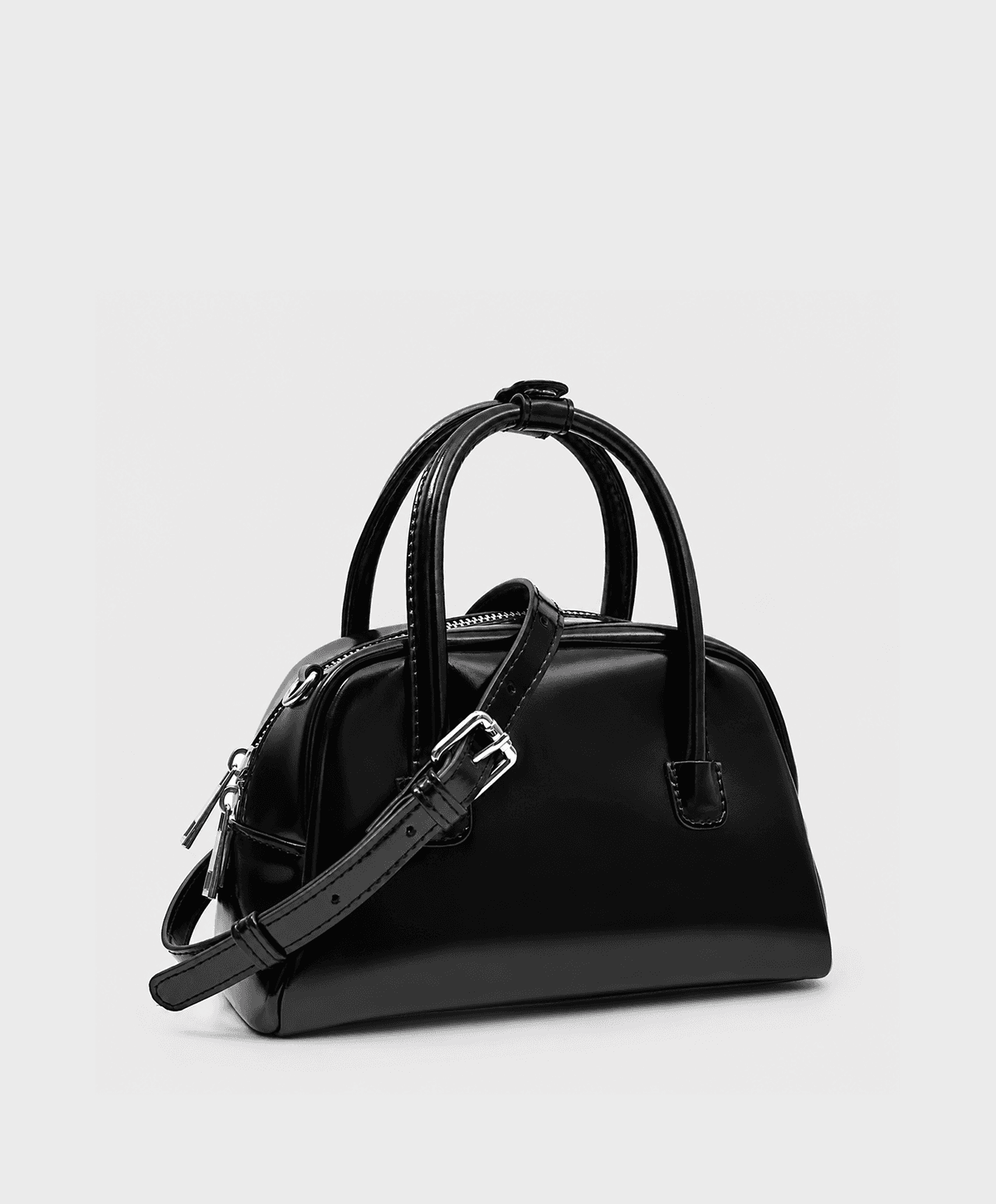
Structured handbag with rounded top handles, polished zipper hardware, and a detachable adjustable shoulder strap.
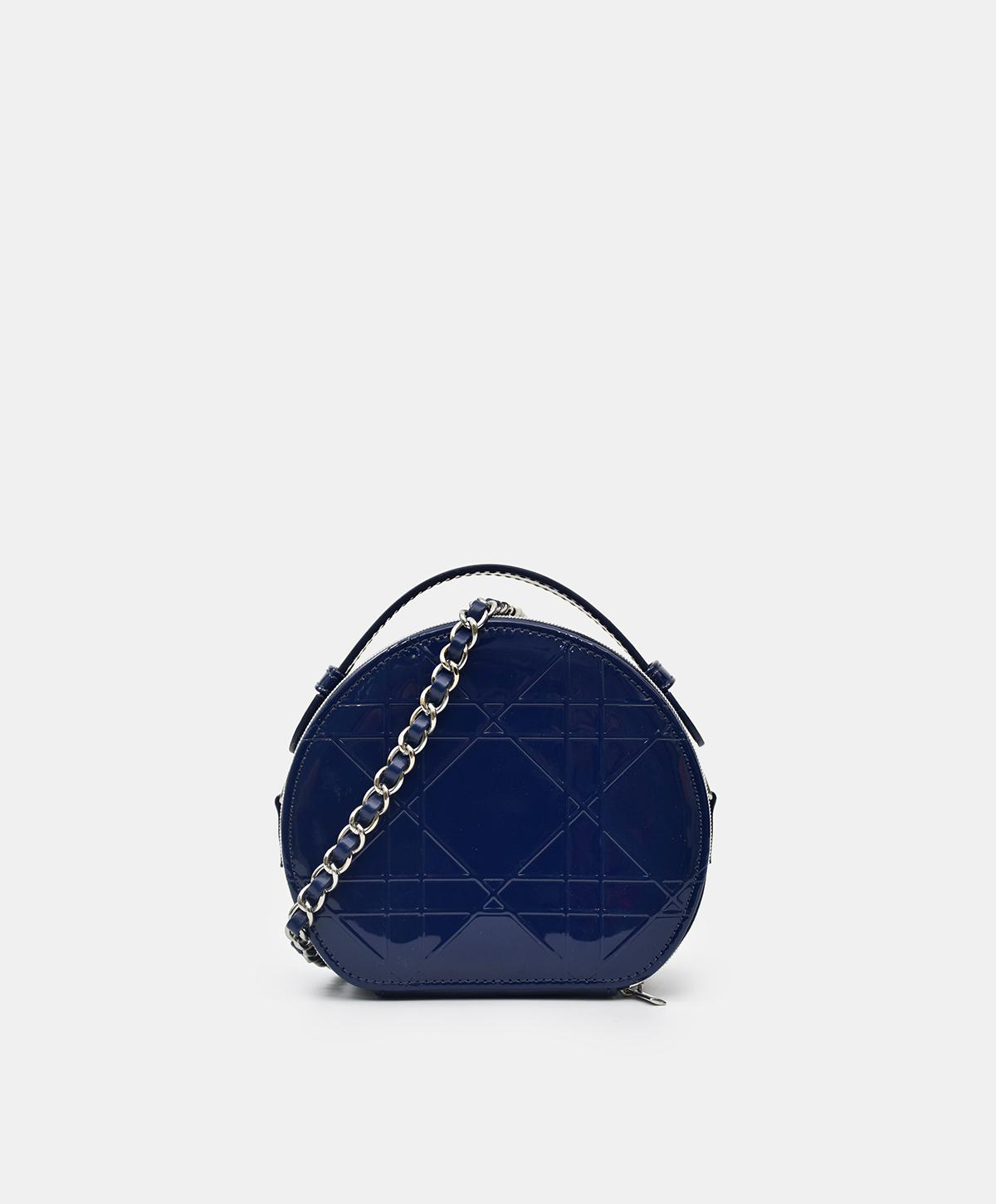
Compact round crossbody bag with an embossed glossy body, top handle, zipper closure, and chain-detail strap.
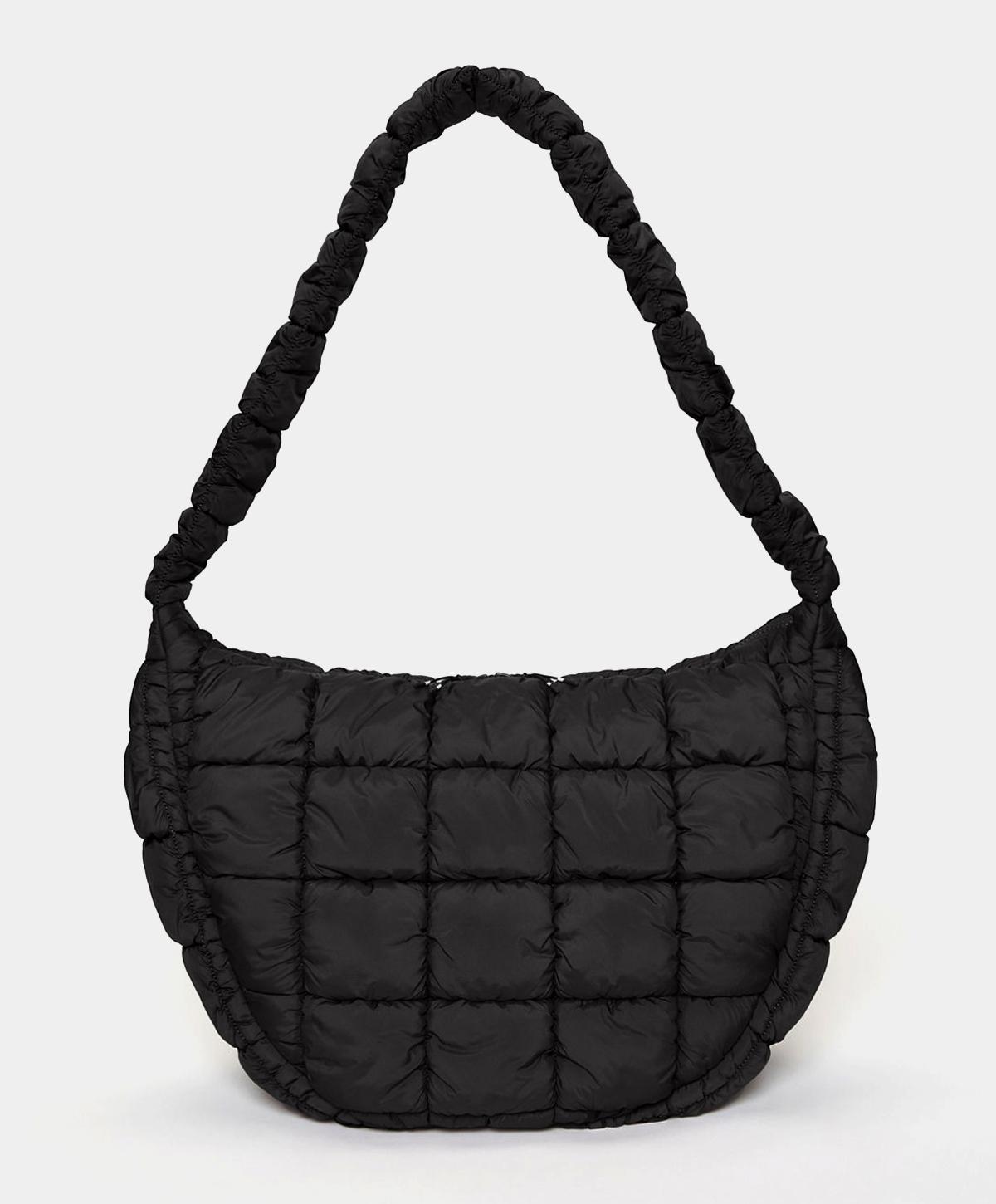
Soft quilted shoulder bag with a padded strap, rounded body, zipper closure, and lightweight everyday construction.
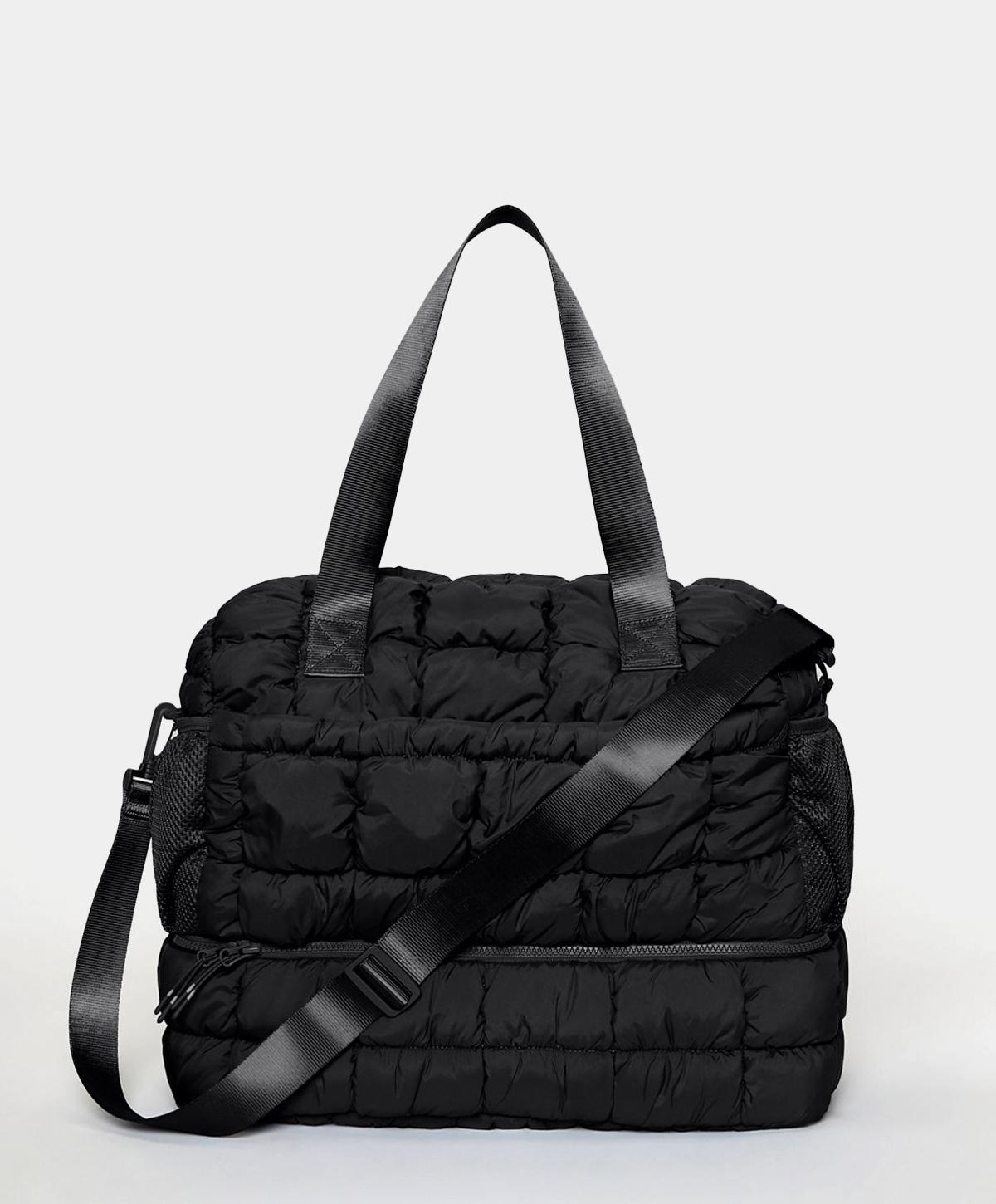
Padded quilted tote with dual carry handles, a detachable shoulder strap, exterior storage, and a separate lower compartment.
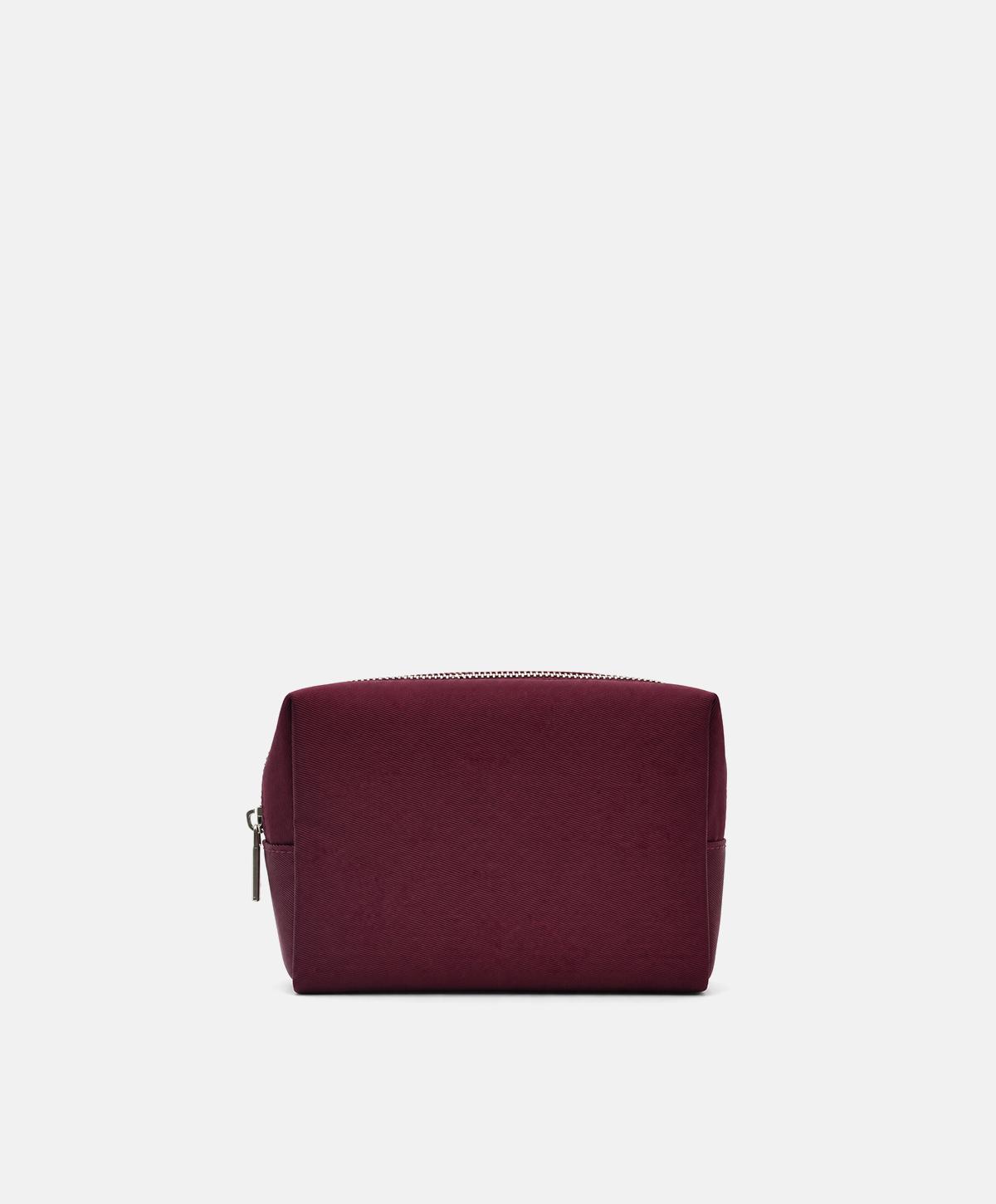
Clean rectangular cosmetic pouch with a wide zipper opening and compact profile for beauty, travel, or gift programs.
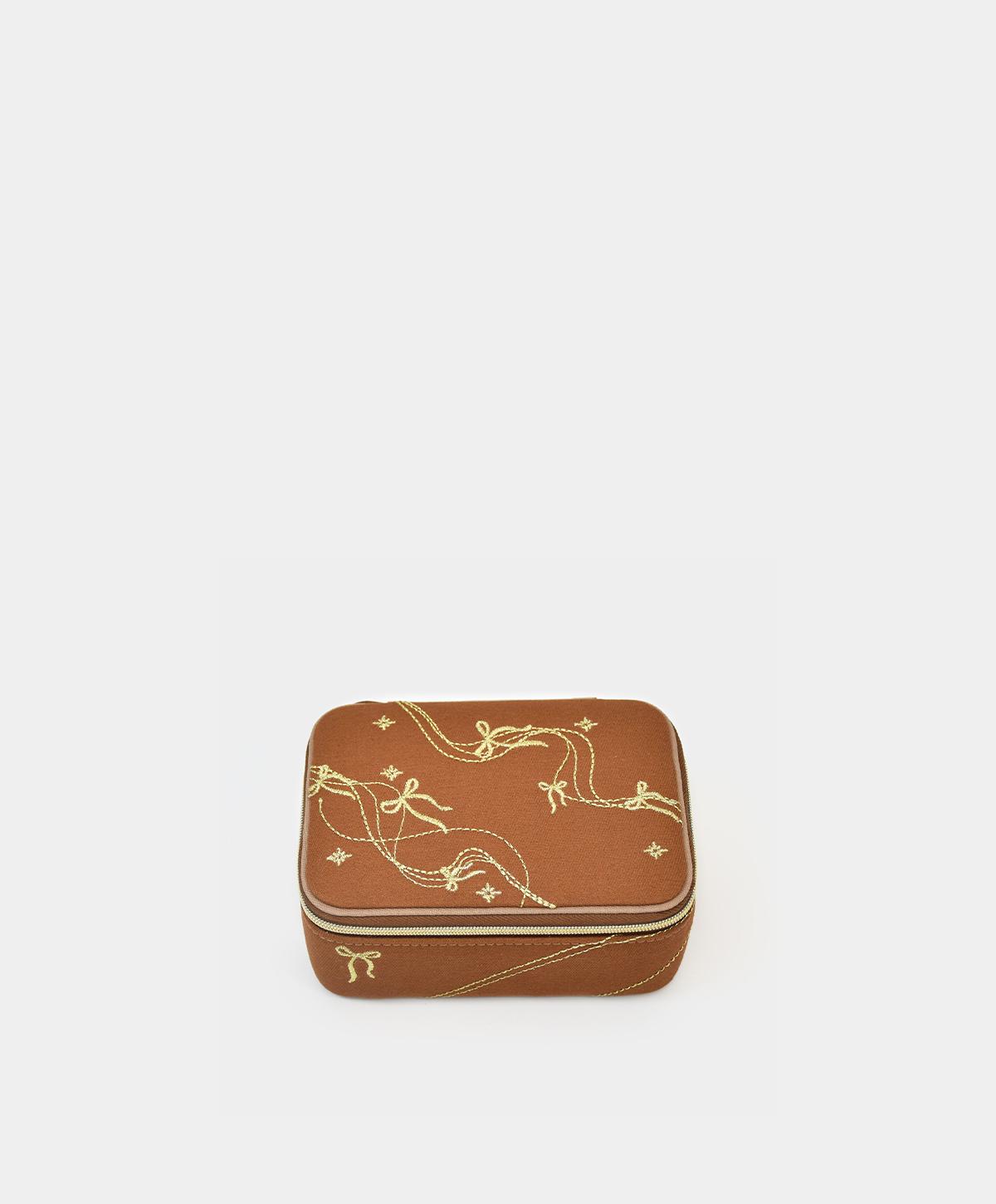
Structured zip-around jewelry case with decorative embroidery and organized storage for small accessories.
Customization Scope
PU, leather, nylon, RPET, canvas, eco nylon, or mixed-material construction.
Screen print, embroidery, debossing, woven label, metal plate, or rubber patch.
Custom lining, mesh pocket, elastic holder, divider, zipper pocket, or wipe-clean coating.
Hangtag, polybag, tissue wrap, gift box, carton marks, barcode label, and export carton.
Factory Evidence
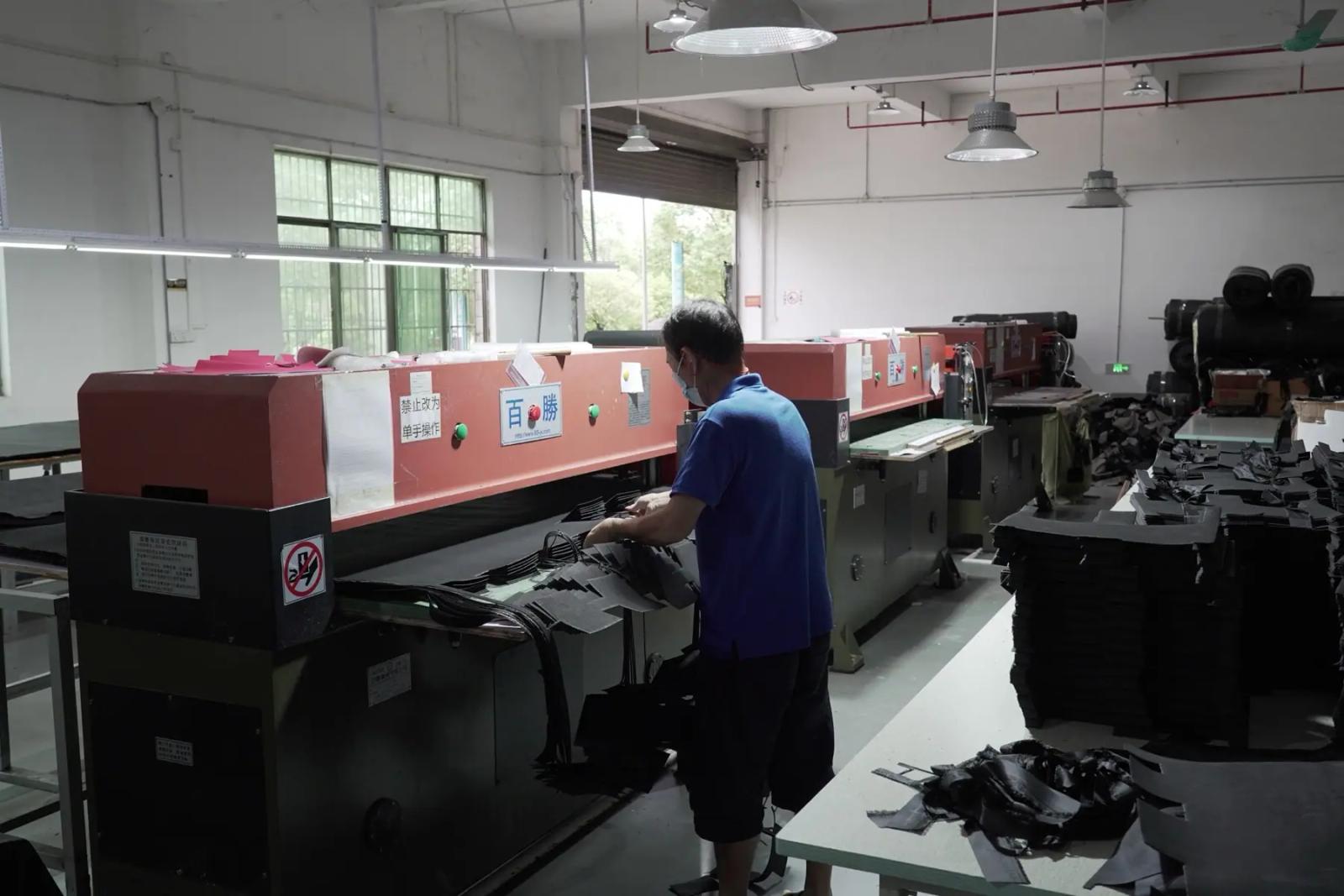
Panels and trims are prepared before sewing so sample comments can be carried into production.
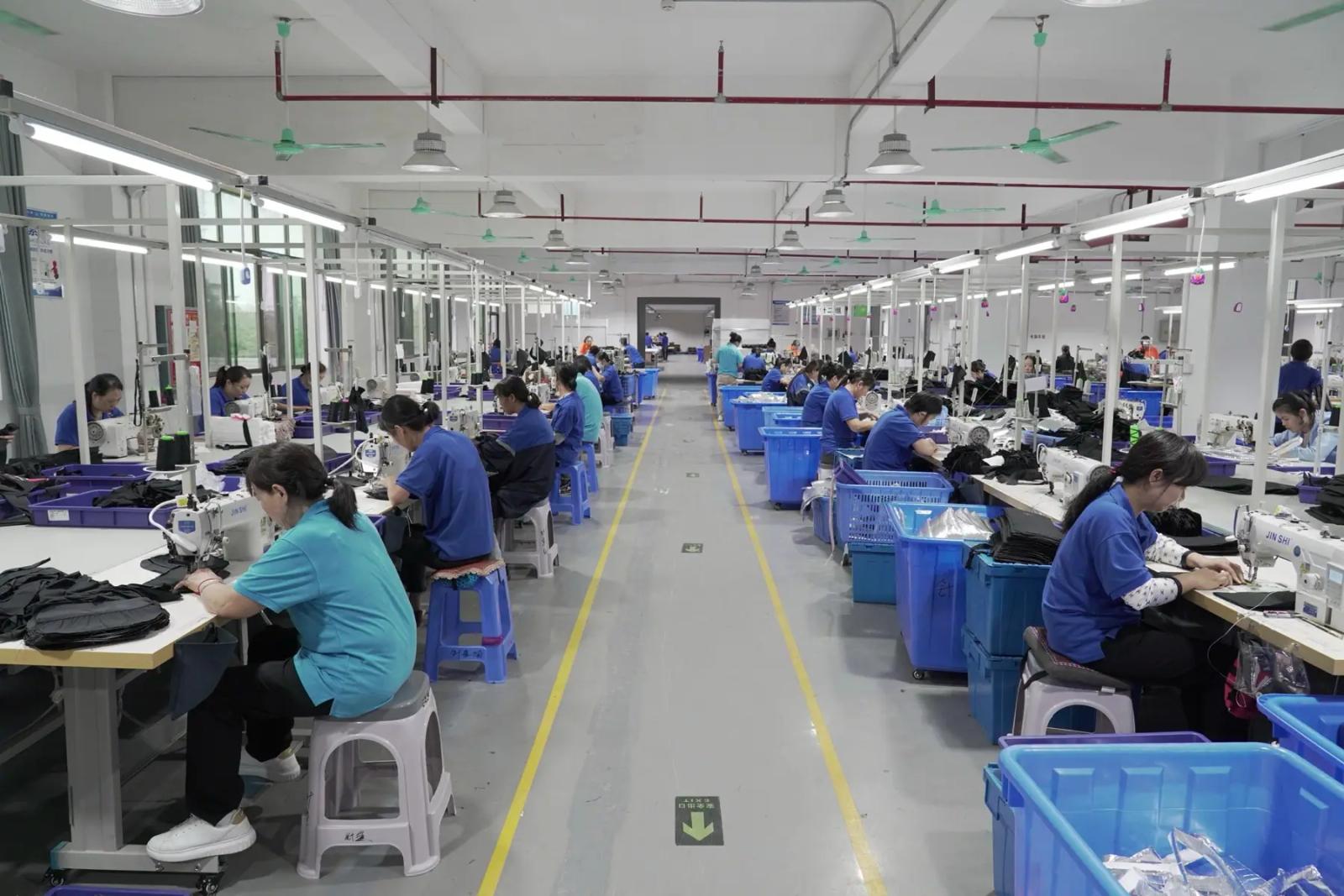
Operator stations, bins, and line flow help buyers understand repeat-order capacity.
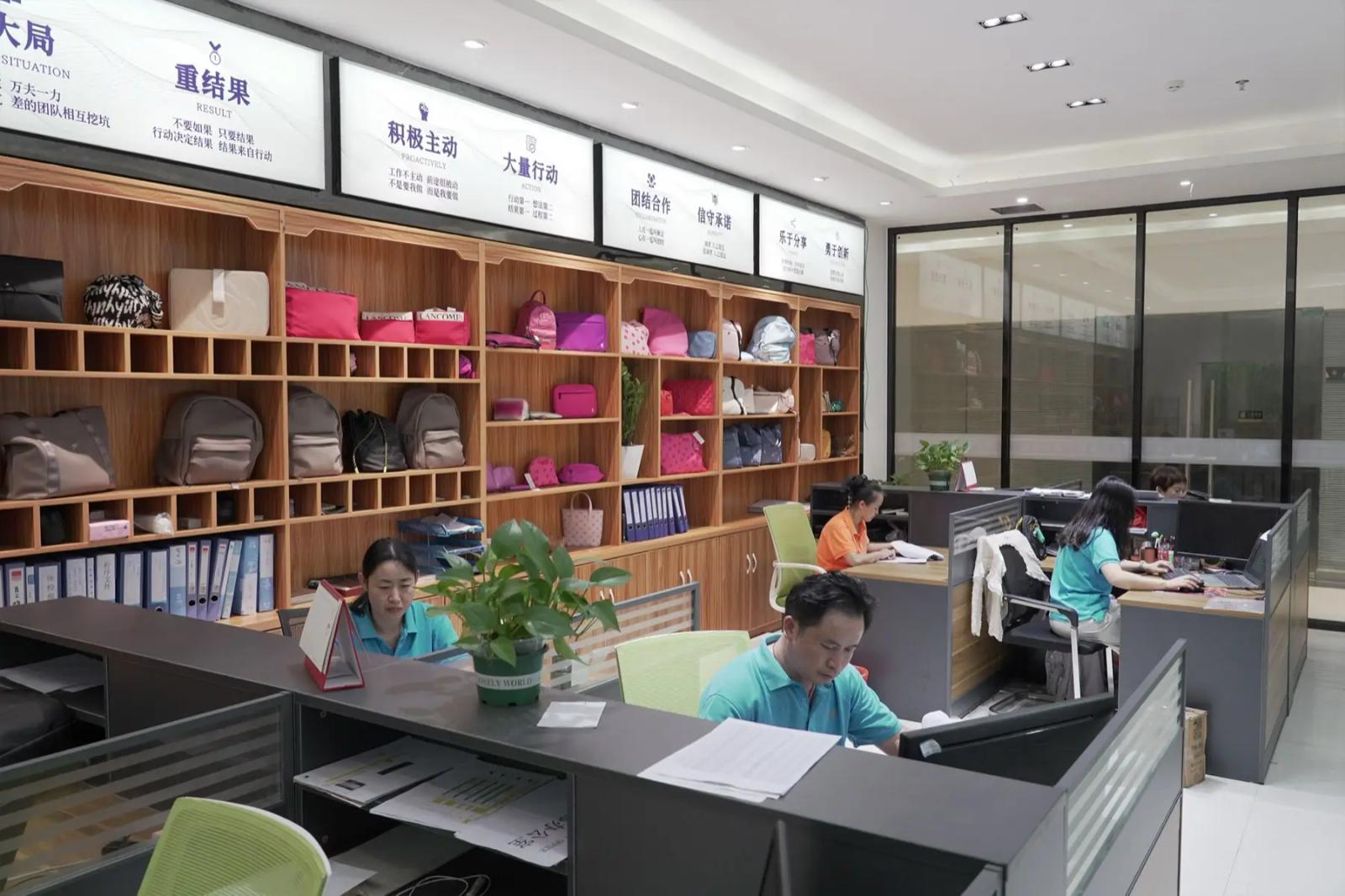
Finished goods move through packing checks, labels, cartons, and shipment preparation.
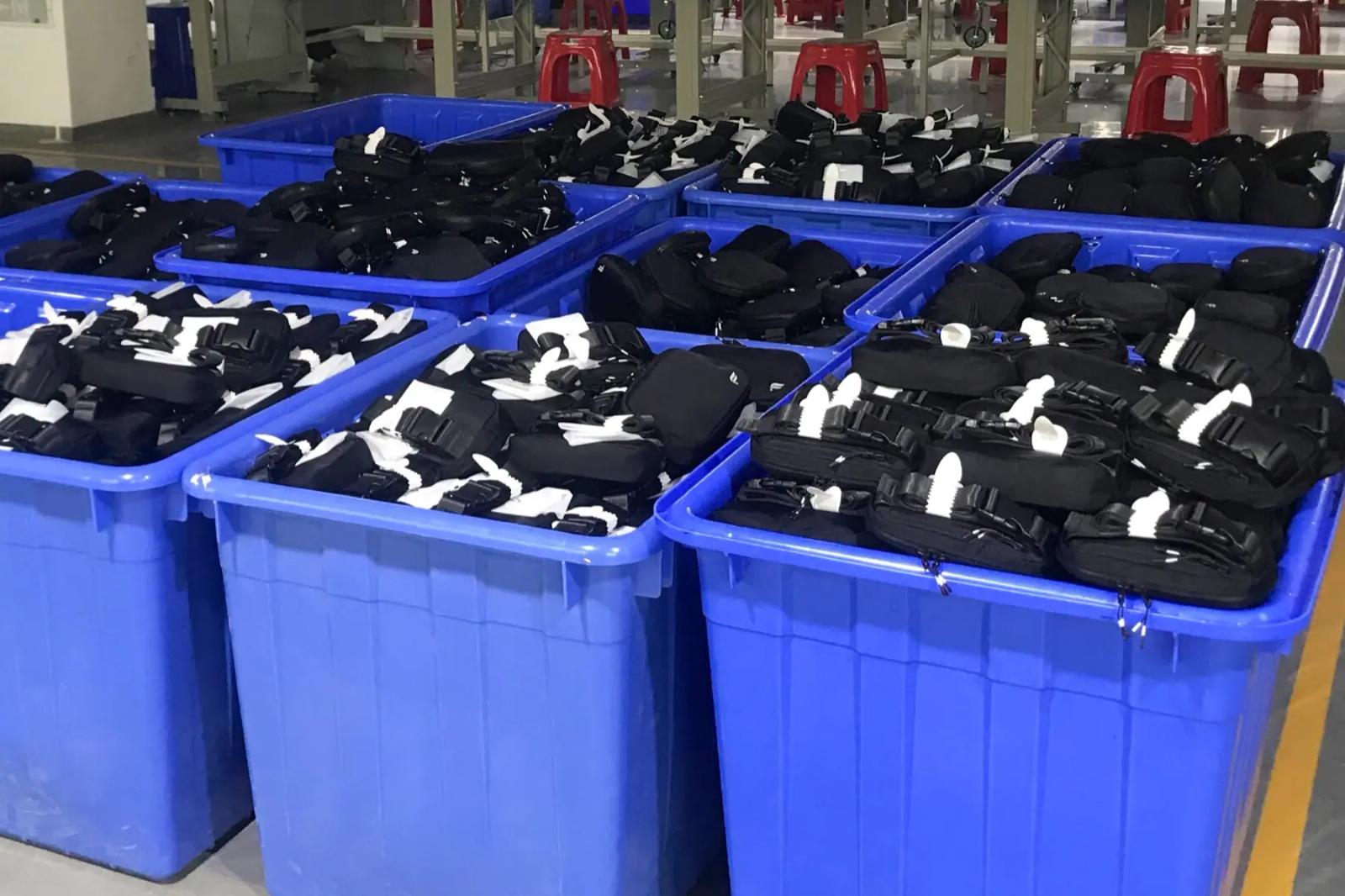
Finished bags are checked against approved references before cartons are closed for shipment.
Factory Footprint
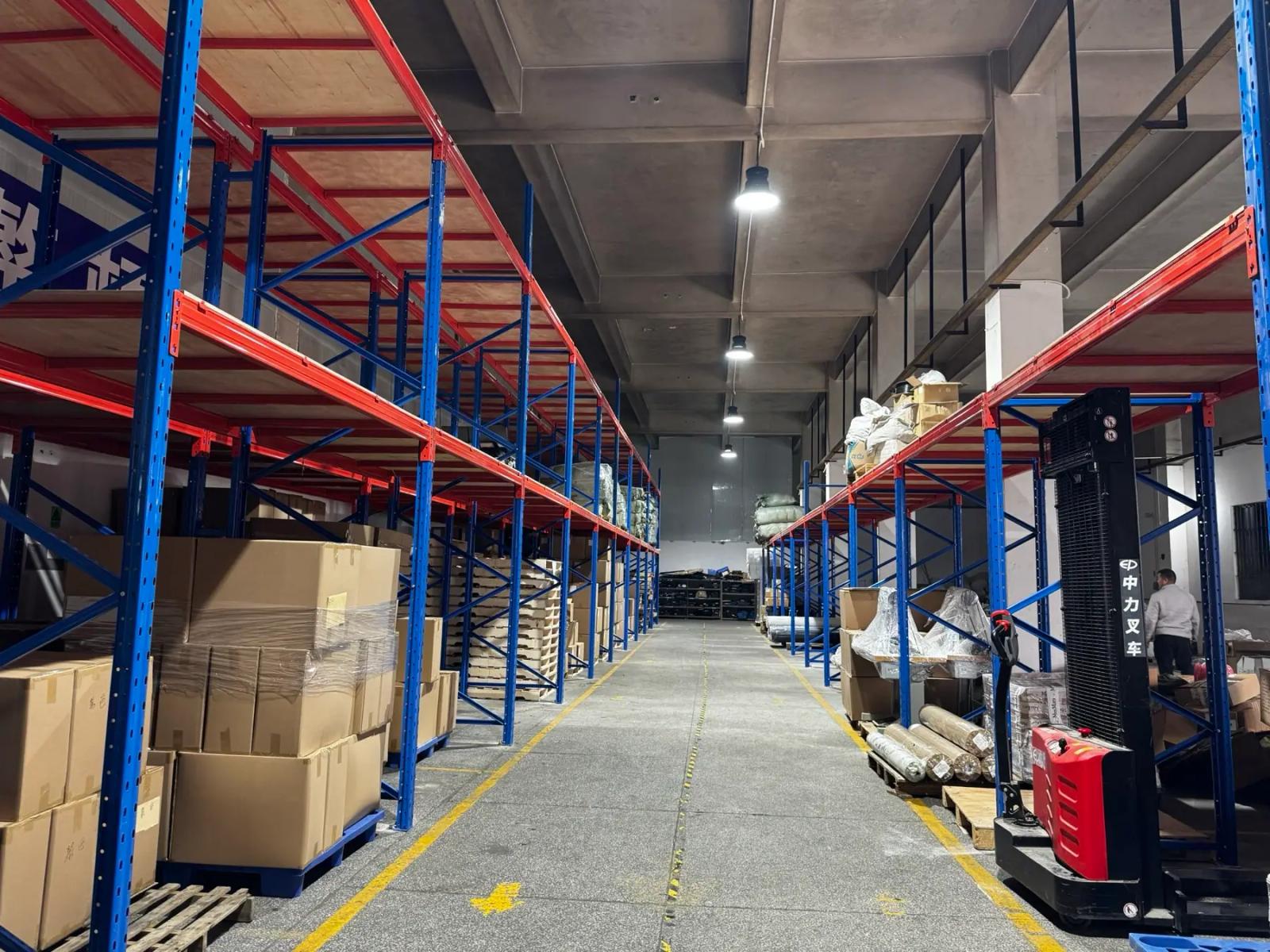
Owned Dongguan factory established in 2003 with about 9,000 square meters, 120 workers, 2 sewing lines, and metal, webbing, and bag production capability.
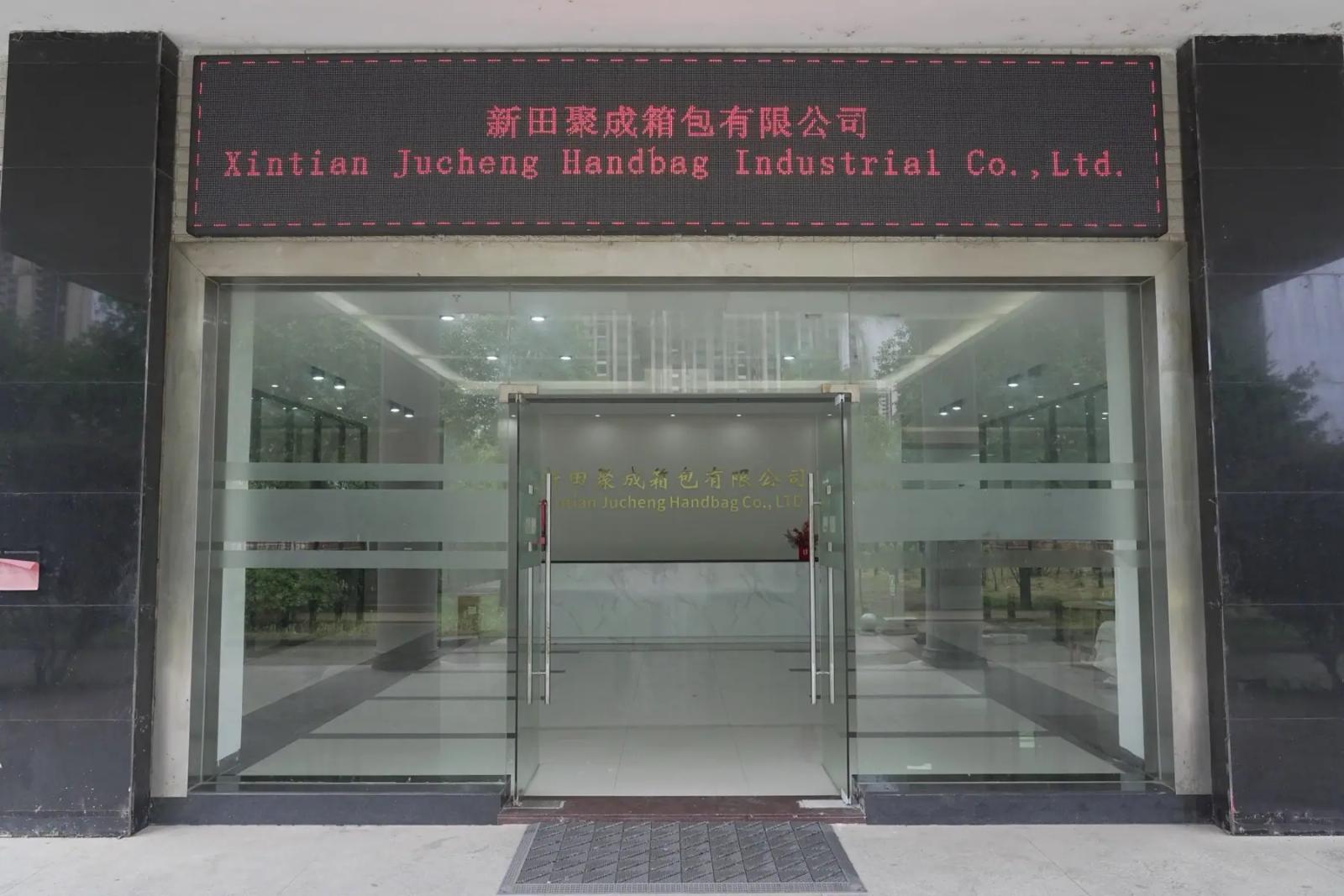
Owned Hunan bag factory with about 11,000 square meters, 280 workers, 6 sewing lines, and cutting, stamping, edge painting, glue, sewing, and packing departments.
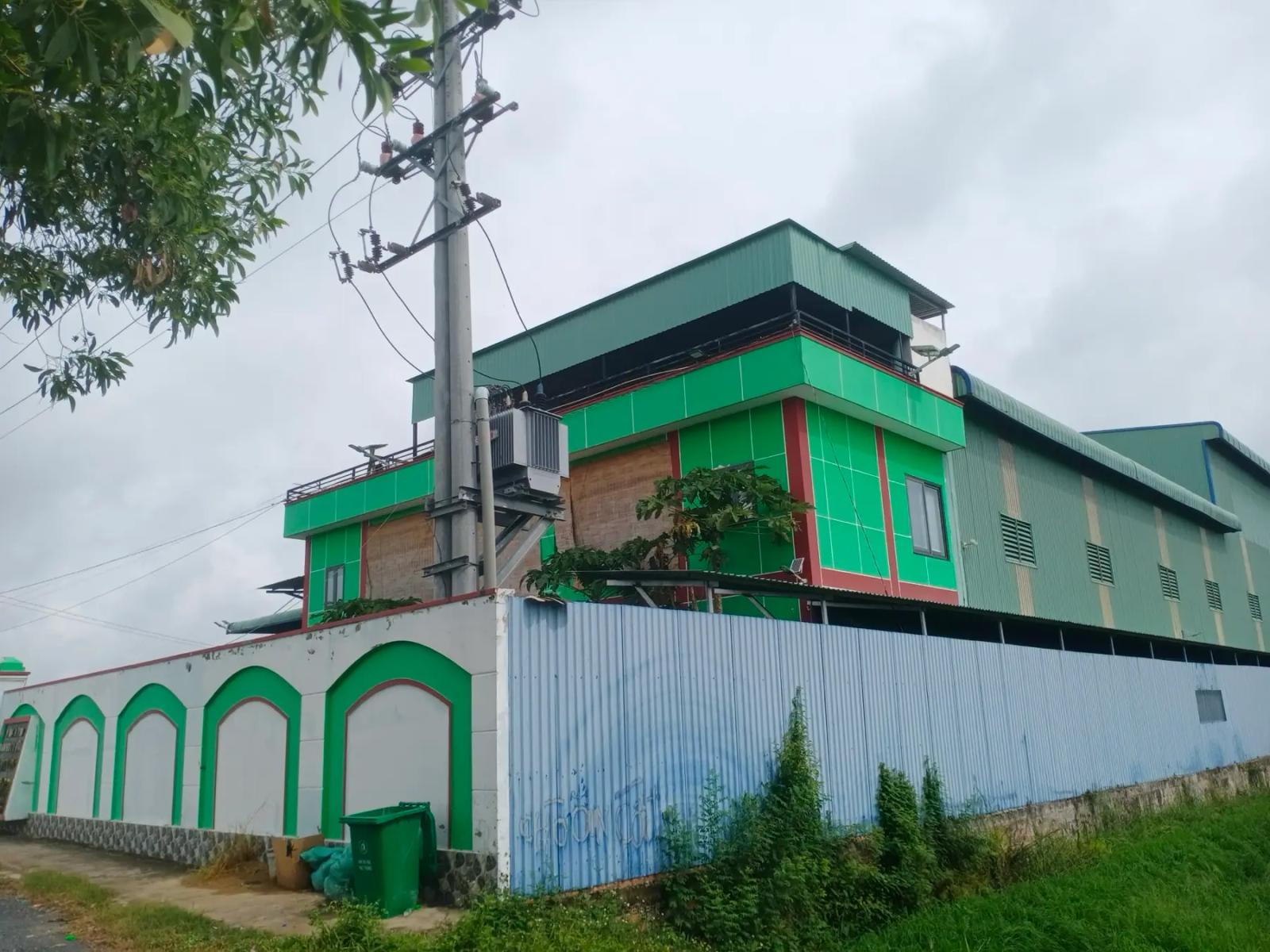
Owned Vietnam bag factory in Long An Province with 130 workers and 3 sewing lines for alternative origin planning and export programs.
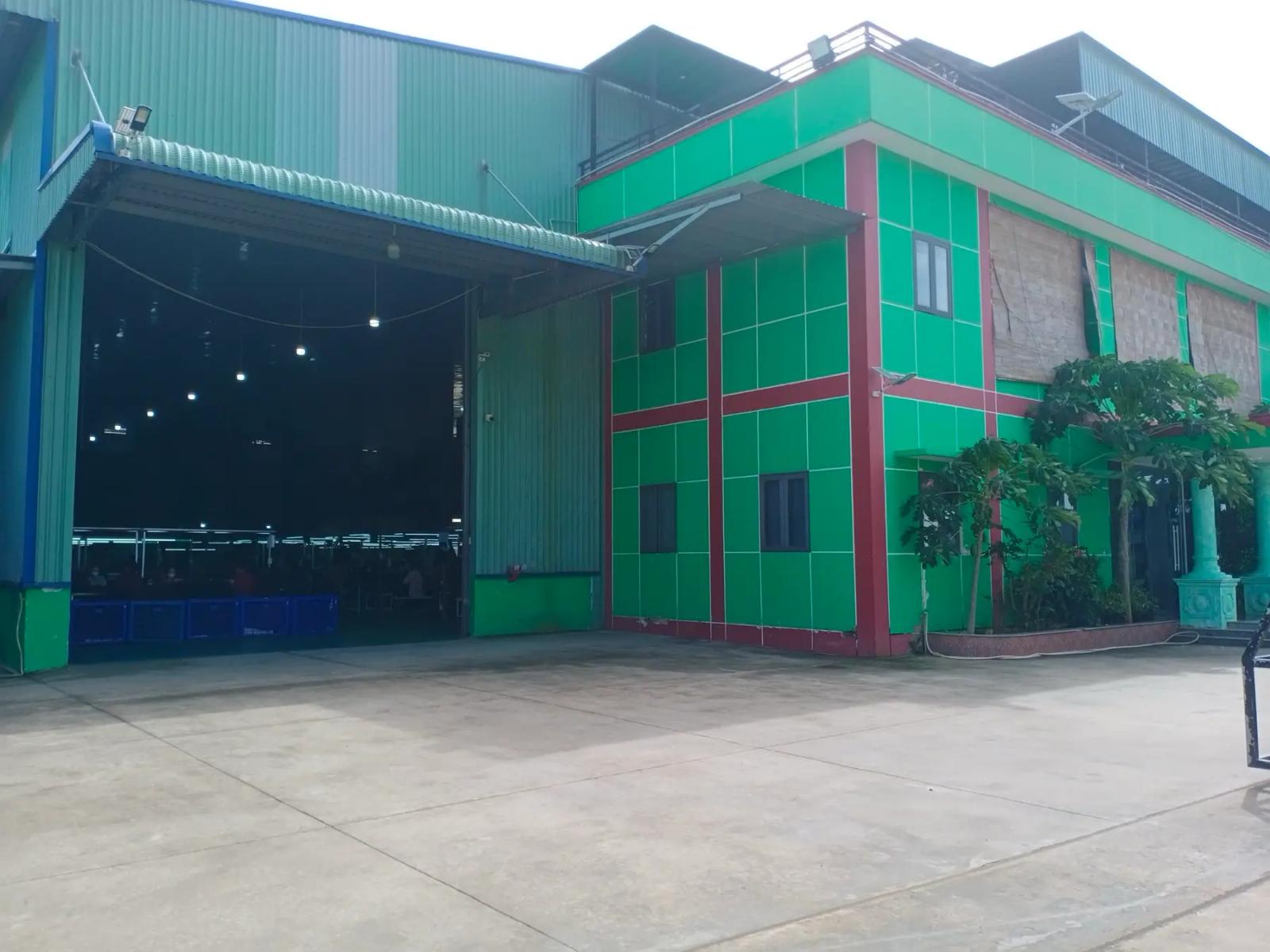
Owned Vietnam bag factory in Duc Hoa District with 120 workers, 4 sewing lines plus room for one additional line, adding capacity for diversified sourcing plans.
Buyer FAQ
Kanrow presents factory capacity, production sites, process photos, QC records, and direct project support for OEM and ODM bag manufacturing.
Yes. A rough idea can be developed through references, material direction, size, target price, logo method, quantity, and packing notes.
Yes. Kanrow can review packing method, labels, carton marks, export cartons, shipment timing, and freight handoff requirements.
Plan Your Order
Turn photos, sketches, or a physical sample into a specification and a controlled revision list.
Review the head office and four named owned factories in China and Vietnam before discussing order allocation.
Agree measurable checkpoints for dimensions, appearance, function, branding, and packing.
Request For Quotation
Include product reference, size, material direction, logo method, quantity, target price, packing needs, delivery market, and shipment timing so Kanrow can review the right production route.