Define the reference
List which shape, size, construction, function, finish, and details should be copied, interpreted, changed, or excluded.

Buyer Guide · Published September 5, 2026
A visual reference can start the project, but bulk production should follow a measurable, version-controlled specification and an approved sample—not an image alone.
Reviewed by Spirit, Kanrow sales team · spirit@dgkanrow.com
Short Answer
The factory must translate the reference into dimensions, pattern and construction, materials, reinforcement, components, logo, color, tolerances, performance, packing, and approval records. Unknown details should stay visible until the buyer approves them.
Use only designs, trademarks, artwork, and reference materials you are authorized to develop.
Reference Quality
| Starting input | What to provide | What still needs definition |
|---|---|---|
| Reference photos | Front, back, sides, base, interior, open and closed views, close-ups, and at least one scale reference | Hidden construction, exact dimensions, materials, internal reinforcement, and performance cannot be confirmed from a photo alone |
| Physical sample | Mark what to copy, change, remove, improve, or keep confidential; include measurement and material notes | Wear, previous-production variation, branded details, and unknown internal components still need written decisions |
| Sketch | Add dimensions, section views, pocket layout, material direction, logo, closure, handles, and construction notes | A concept sketch may not define assembly, seam allowance, reinforcement, or production feasibility |
| Tech pack | Confirm revision number, drawing scale, measurement points, bill of materials, artwork, tolerances, tests, and packing | Conflicting revisions and unspecified substitutes can still create sample error |
| Commercial brief | Quantity and SKU split, target price basis, destination, launch date, packing, compliance, and priority tradeoffs | A technically possible design may not fit the target price, MOQ, timing, or market requirement |
Six-Step Workflow
List which shape, size, construction, function, finish, and details should be copied, interpreted, changed, or excluded.
Convert visual details into named dimensions, materials, components, seams, reinforcements, tolerances, logo, colors, and packing.
Check whether the construction, material, tooling, quantity, target price, testing, site, and timing can work together.
Compare the sample against the written specification, intended use, appearance, function, dimensions, and reference priorities.
Record every change with a revision, photo or marked drawing, owner, decision, and status instead of relying on chat history.
Approve the sample, specification, materials, artwork, tolerances, tests, packing, substitutions, and QC checkpoints before production.
Sampling Evidence
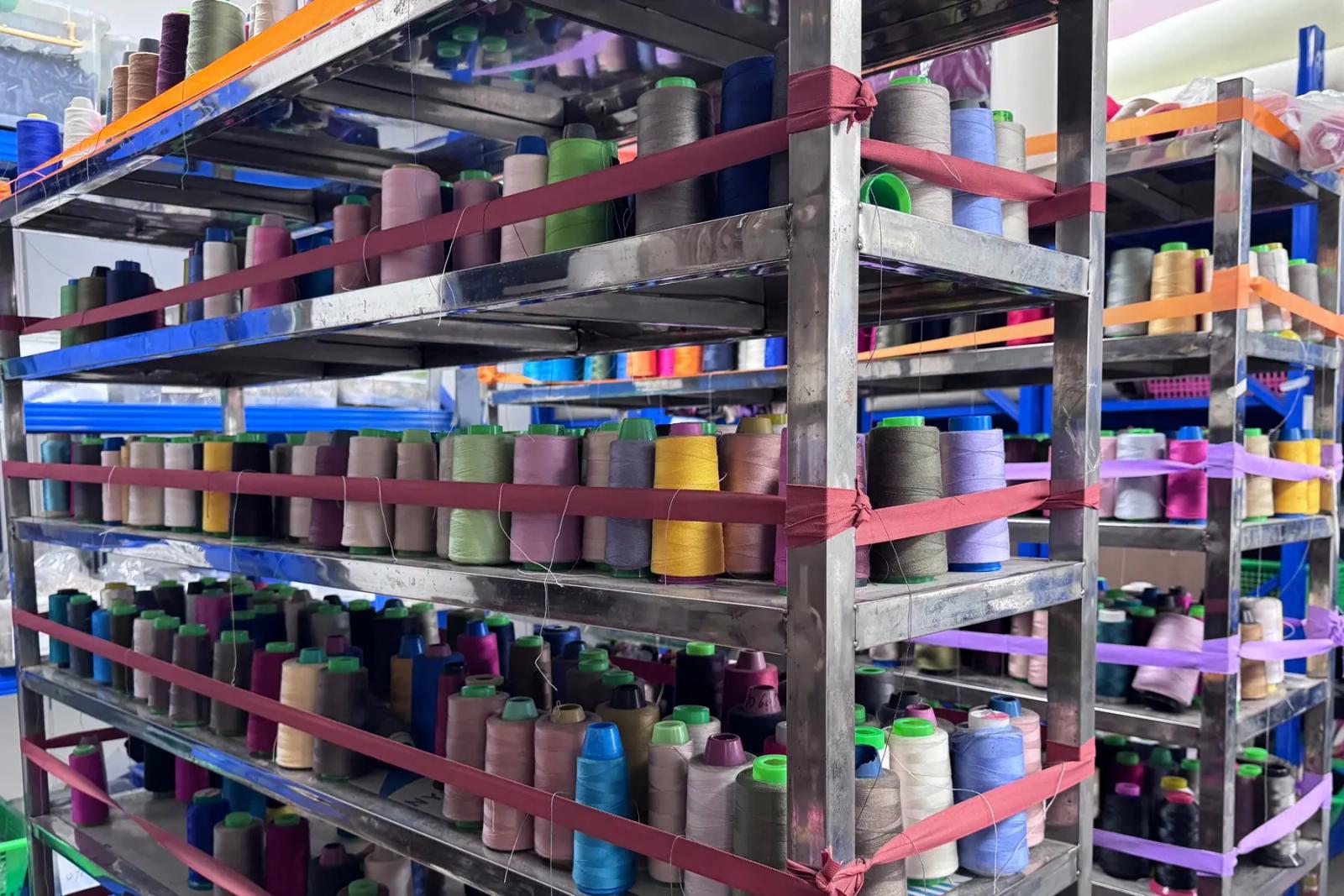
Dimensions and panel construction are translated into production patterns before assembly.

Material, reinforcement, stitching, components, and assembly are tested in a physical sample.
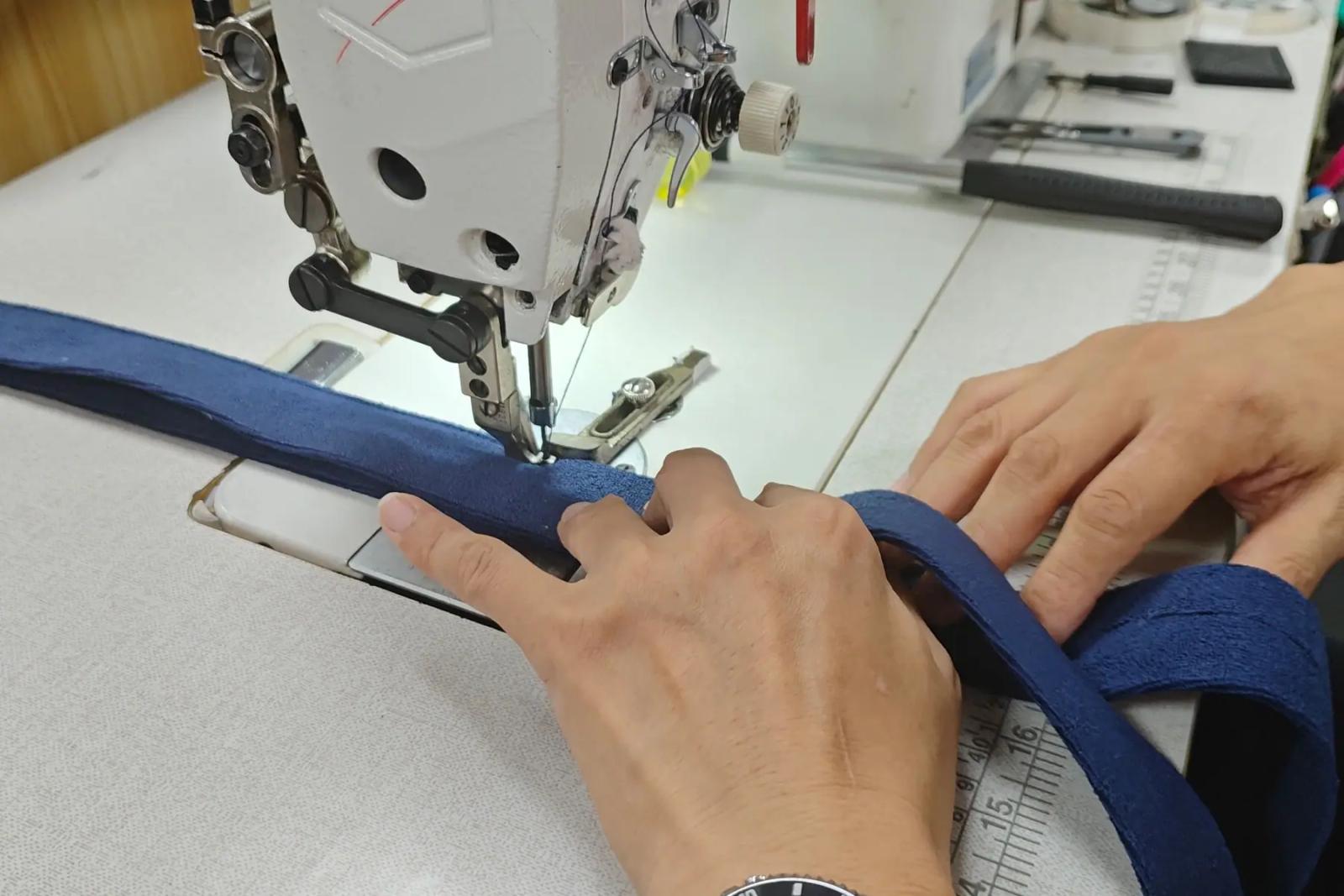
The prototype is compared with measurements, comments, appearance, function, logo, and packing decisions.
Sample Development FAQ
Yes. A manufacturer can start from clear photos, a physical sample, sketch, or tech pack, then translate the reference into measurable dimensions, materials, construction, components, logo, colors, tolerances, packing, and approval records.
Usually not for a final price. Photos can support an early estimate, but hidden construction, measurements, material grade, reinforcement, hardware, logo method, packing, quantity split, testing, and delivery assumptions must be defined.
Mark what must match and what must change, create named measurement points, approve materials and components, issue numbered sample comments, and freeze one written bulk-production standard.
Buyers should provide only artwork and designs they are authorized to use. A reference can communicate construction or quality direction, but protected branding or design rights should be reviewed before development and production.