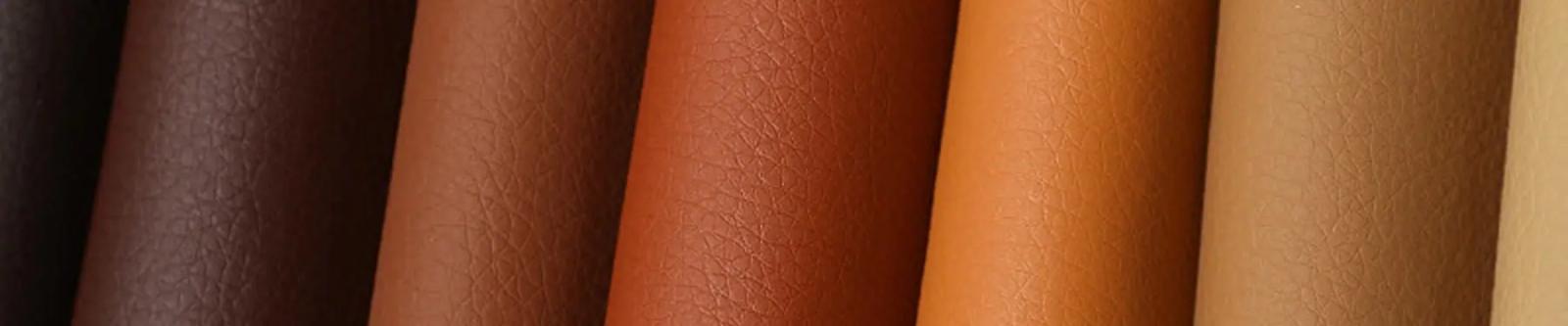
PU Leather
Structured cosmetic bags, leather-look cases, promotional gift sets

Buyer Guide · Published September 5, 2026
Compare PU leather, genuine leather, nylon, RPET, canvas, and eco nylon without treating a broad material name as a complete performance or sustainability claim.
Reviewed by Spirit, Kanrow sales team · spirit@dgkanrow.com
Short Answer
Choose by structure, handfeel, expected load, exposure, logo method, target price, care, durability, packing, destination requirements, and the evidence needed for any recycled, leather, performance, chemical, or origin statement.
Download the material matrixStructured cosmetic bags, leather-look cases, promotional gift sets
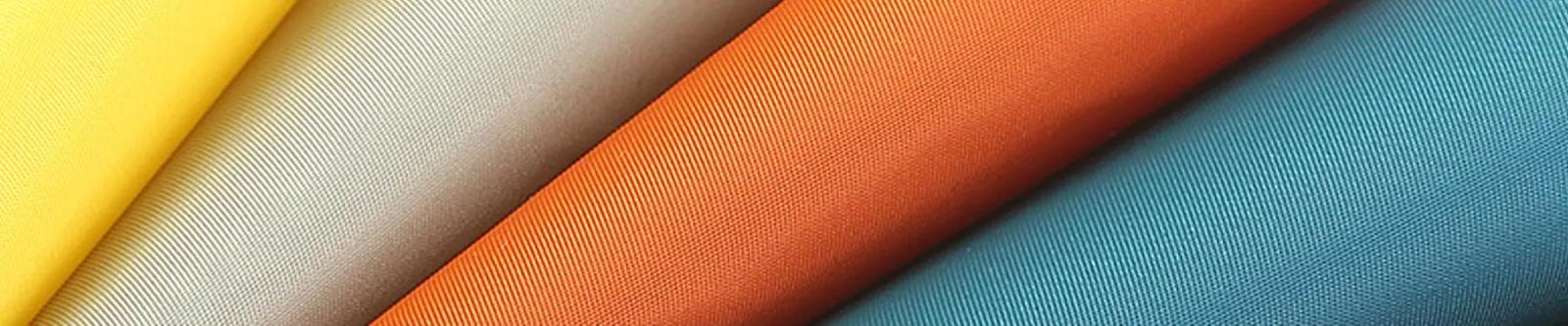
Recycled-content totes, travel bags, and retail programs with documented claims
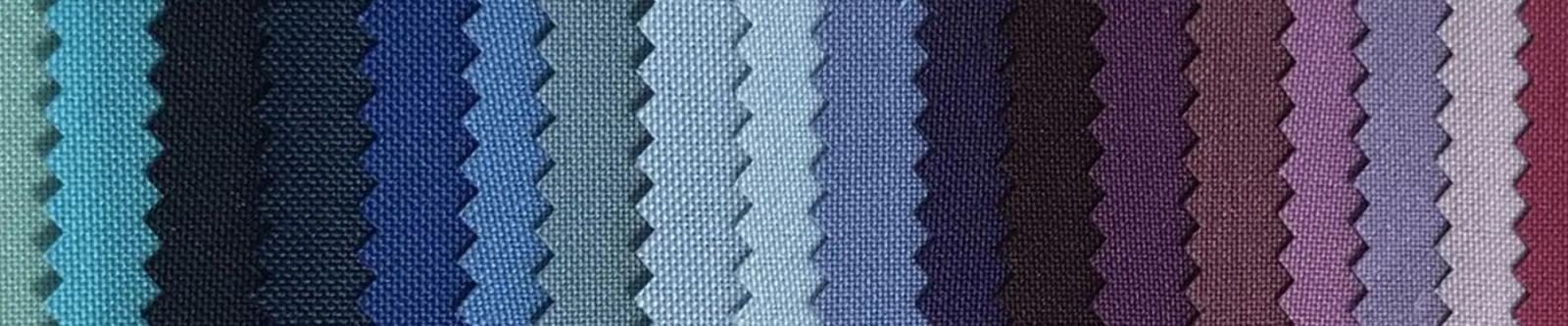
Sport bags, backpacks, wash bags, lightweight daily carry
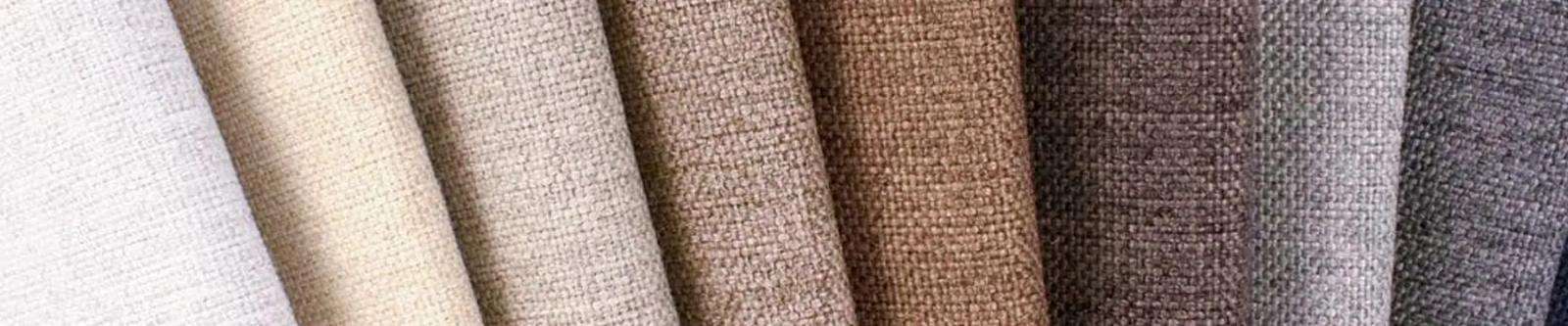
Shopping totes, sturdy casual bags, printed brand merchandise

Low-weight collections with durability and cleaner sourcing goals
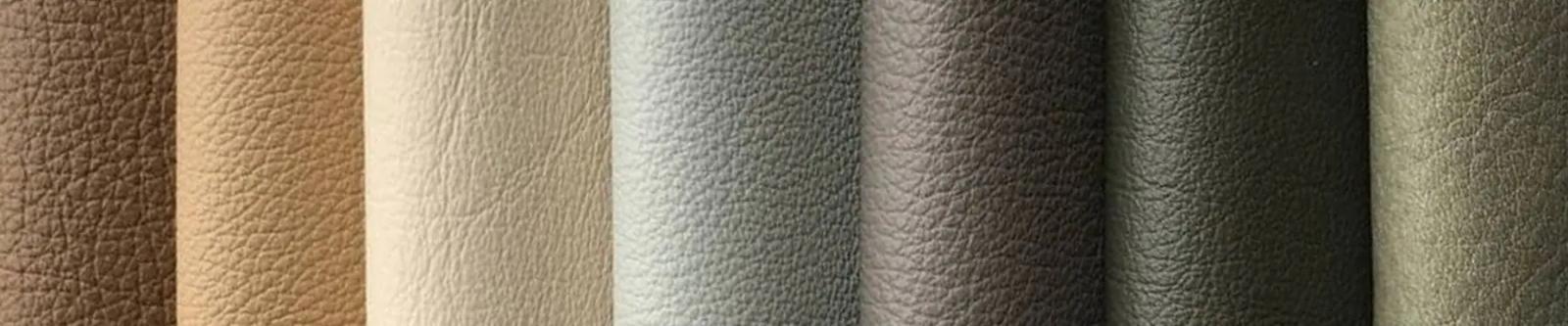
Premium pouches, structured cases, long-life private label accessories
Material Comparison Matrix
| Material | Common uses | Logo options | Key controls | Buyer caution |
|---|---|---|---|---|
| PU leather | Structured handbags, cosmetic cases, gift sets, leather-look programs | Embossing, debossing, print, metal plate, patch, label | Backing, thickness, surface, handfeel, color, adhesion, abrasion or hydrolysis needs | Appearance and performance vary widely by construction and grade |
| Genuine leather | Premium handbags, pouches, structured cases, long-life accessories | Embossing, debossing, hot stamp, metal hardware, label | Leather type, grade, thickness, tannage, color, surface variation, test or origin documents | Natural variation, cutting yield, care, price, and compliance require early agreement |
| Nylon | Travel organizers, gym bags, backpacks, cosmetic bags, lightweight carry | Print, embroidery, woven label, rubber patch, metal plate | Denier, weave, coating, weight, color, water-resistance target, abrasion, seam compatibility | The word nylon alone does not define grade or performance |
| RPET | Recycled-content totes, travel bags, organizers, retail programs | Print, embroidery, label, patch, transfer | Recycled-content claim, chain-of-custody scope, fabric specification, color, coating, trims, supporting documents | A recycled fabric does not make every component or the whole bag certified |
| Canvas | Tote bags, casual handbags, printed merchandise, durable promotional bags | Screen print, embroidery, patch, woven label, transfer | Fiber content, weight or GSM, weave, pre-shrink needs, colorfastness, print compatibility, shrinkage | Unlined, lined, washed, coated, and different fabric weights behave differently |
| Eco nylon | Lightweight collections and programs with defined sourcing goals | Print, embroidery, label, patch | Exact fiber or recycled claim, supplier evidence, denier, coating, performance, color, traceability | “Eco” is not a complete material specification or verified environmental claim |
Three-Step Decision
Start with target user, expected load, exposure, handfeel, structure, selling price, care, and intended product lifetime.
Record fiber or polymer, backing, thickness or weight, weave, coating, color standard, performance needs, and acceptable variation.
Match recycled, leather, chemical, performance, or origin claims to current, scope-relevant documents and the components actually used.
Write the exact claim first, then identify which material, component, factory, transaction, and document supports it. Confirm current scope and chain of custody. Avoid turning a single recycled fabric certificate into a claim about every component or the whole finished bag.
Material FAQ
Common options include PU leather for structured leather-look styles, genuine leather for premium programs, nylon for lightweight travel and sport use, RPET for documented recycled-content programs, canvas for totes and printed bags, and eco nylon where the exact claim and evidence are defined.
Do not assume this from the material name alone. Verify recycled content, certification or chain-of-custody scope, coating, trims, durability, production waste, packing, transport, intended life, and the exact claim the brand plans to make.
Approve the named specification, supplier or source where required, color standard, handfeel, thickness or weight, surface, coating, backing, performance needs, logo compatibility, acceptable variation, test scope, and substitution rule.
Only under the written approval rule agreed with the buyer. A substitute should be identified before use and compared for appearance, performance, claims, cost, timing, and compatibility with the approved sample.