Logo method selection
Screen print, embroidery, debossing, woven label, metal plate, rubber patch, and hangtag options are matched to the material.

Logo Customization
Kanrow reviews logo method, placement, material compatibility, color, hardware, labels, hangtags, and packing before moving custom handbags into production.
Program Fit
Use this program when brand identity needs to be built into a handbag, tote, pouch, or case. The right logo method depends on the actual outer material, artwork detail, placement, and order quantity. Approve the decoration on the intended material before treating a digital mockup as a production standard.
Updated .
Request this programScreen print, embroidery, debossing, woven label, metal plate, rubber patch, and hangtag options are matched to the material.
Logo size, position, color, finish, and production tolerance are reviewed during sampling.
Brand programs can include label sets, packaging inserts, polybags, barcode labels, gift boxes, and export cartons.
Production Brief
Send editable artwork when available, plus the intended width, height, colors, and placement. A logo file alone does not define how the mark should look on a curved, padded, textured, or stitched surface.
| Decision | What to specify | Sample or order check |
|---|---|---|
| Printing | Provide artwork colors, print dimensions, fabric color, and one-sided or two-sided placement. Highlight gradients and fine text for review. | Check coverage, edge definition, alignment, and the agreed durability requirements on the actual material, not only on a screen. |
| Embroidery | Identify the artwork size, thread colors, placement, and whether the bag needs a clean interior or lining over the reverse side. | Review small lettering, stitch density, backing, and puckering on a sample before approving the embroidery layout. |
| Woven labels and patches | Define the label or patch material, size, fold or edge treatment, sewing position, and visible attachment method. | Inspect legibility, edge finishing, orientation, and attachment. Verify the placement remains clear when the bag is filled or closed. |
| Embossing or debossing | Send artwork size and position with the proposed PU or leather reference. Texture and thickness need to be reviewed before selecting this method. | Approve definition and appearance on a material sample. Confirm tooling requirements and whether the selected material holds the intended detail. |
| Metal logos and branded hardware | Provide dimensions, finish, attachment preference, and whether an existing part or new custom part is required. | Review edges, color, fit, attachment security, and any agreed finish tests. Confirm tooling cost, component minimums, and development timing separately. |
Relevant Product References
Catalog images show reference styles and existing decoration details. Your own logo requires artwork review and sample approval; branding shown on a reference is not permission to reproduce another brand's mark.
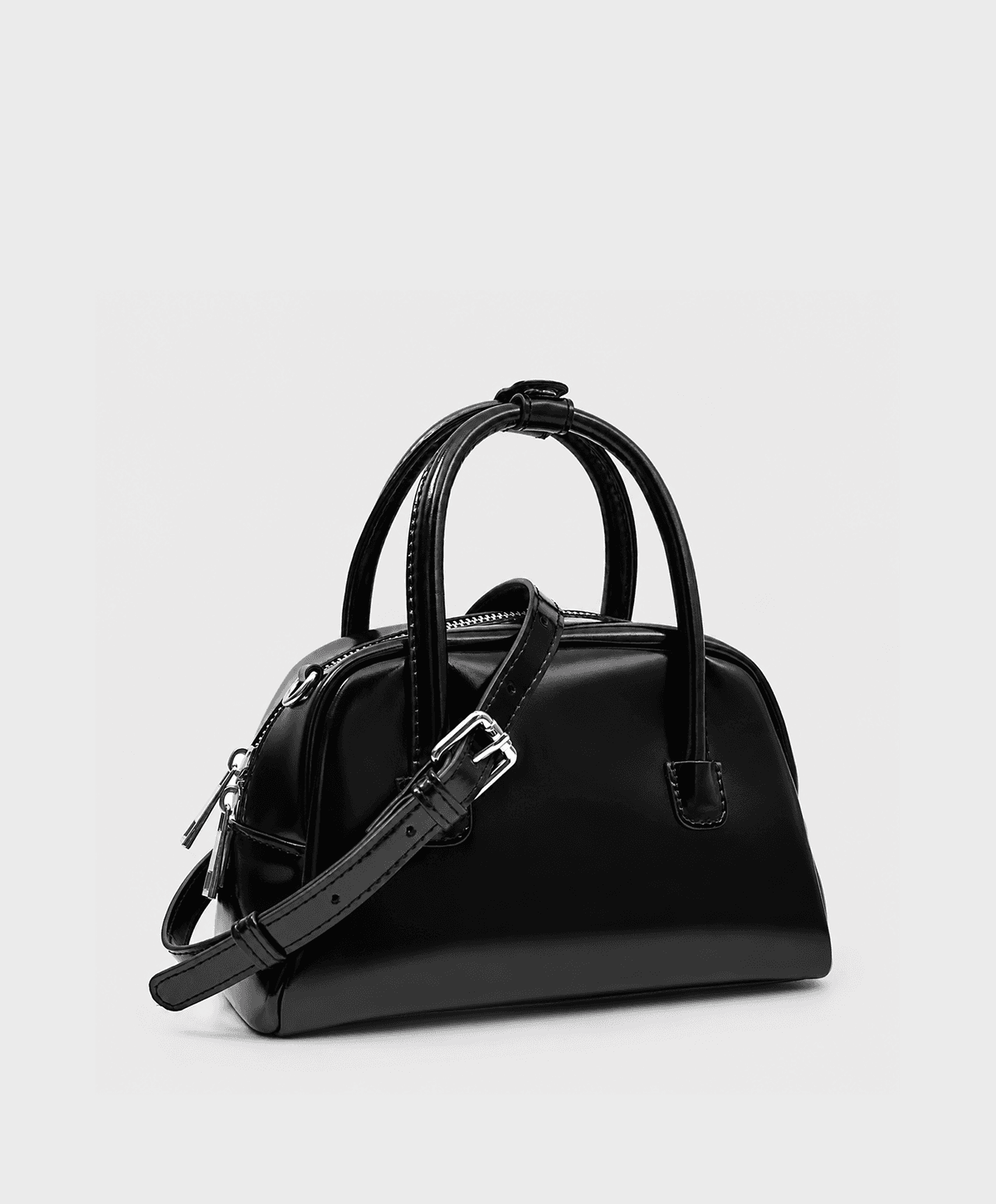
Structured handbag with rounded top handles, polished zipper hardware, and a detachable adjustable shoulder strap.
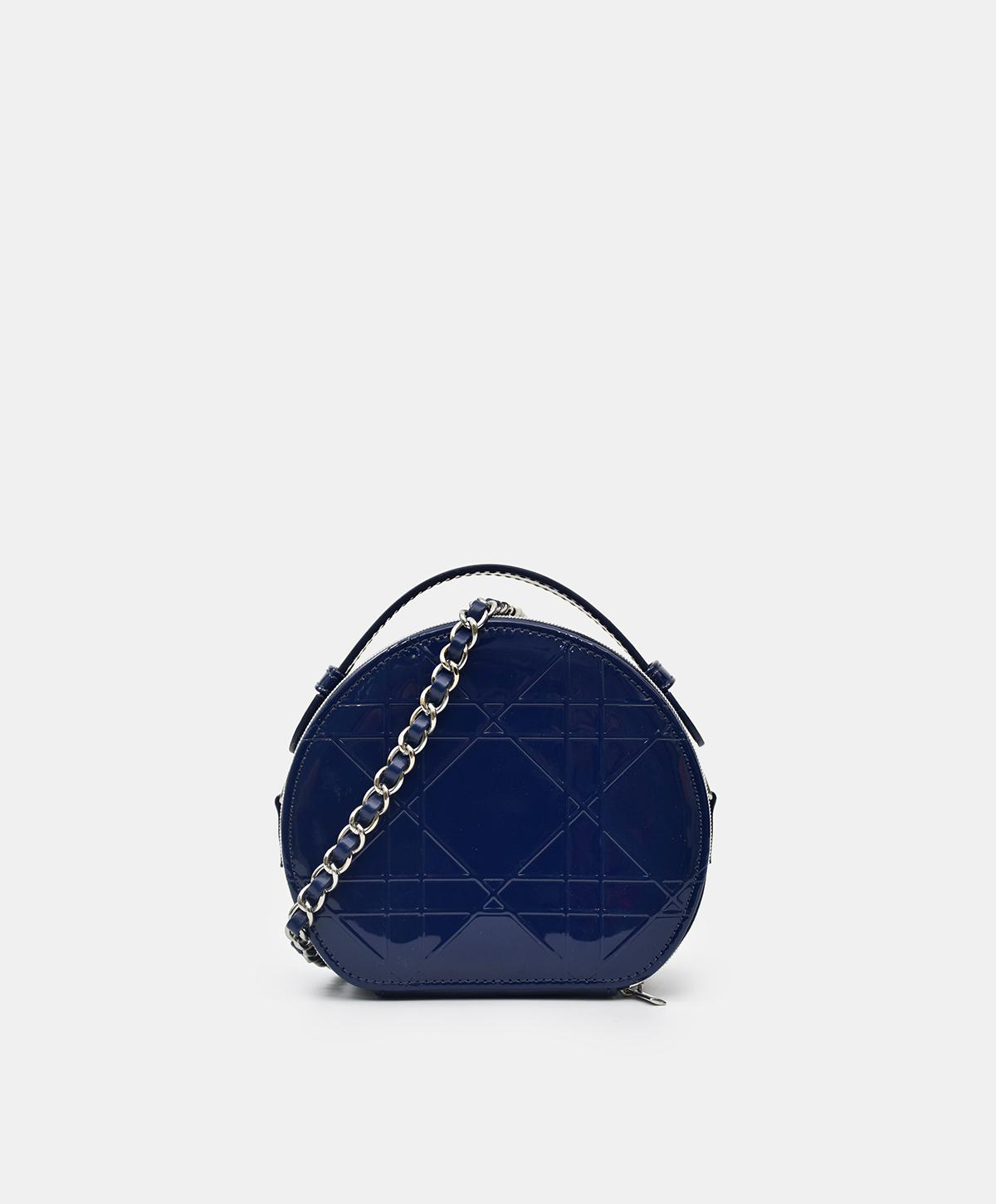
Compact round crossbody bag with an embossed glossy body, top handle, zipper closure, and chain-detail strap.
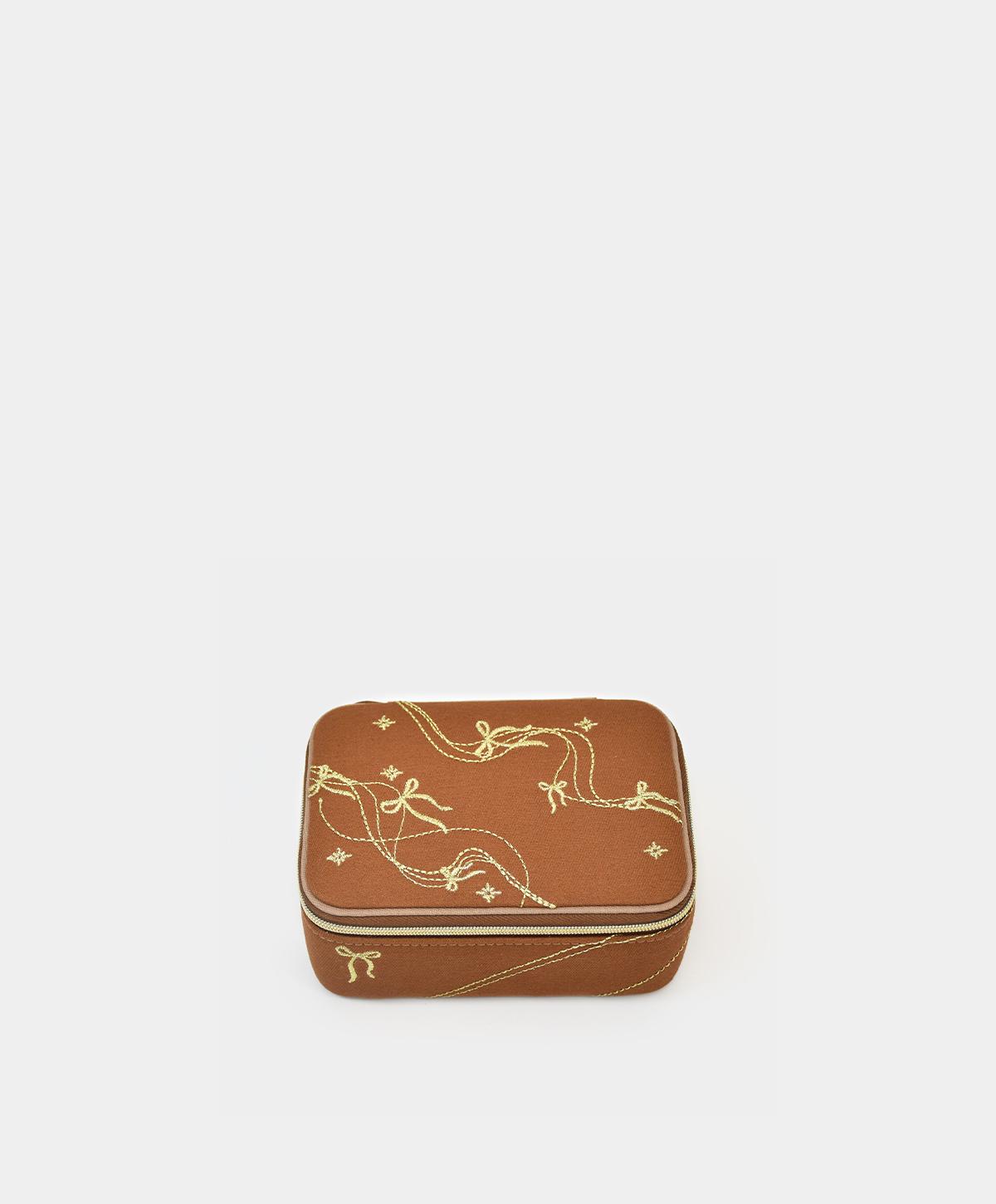
Structured zip-around jewelry case with decorative embroidery and organized storage for small accessories.
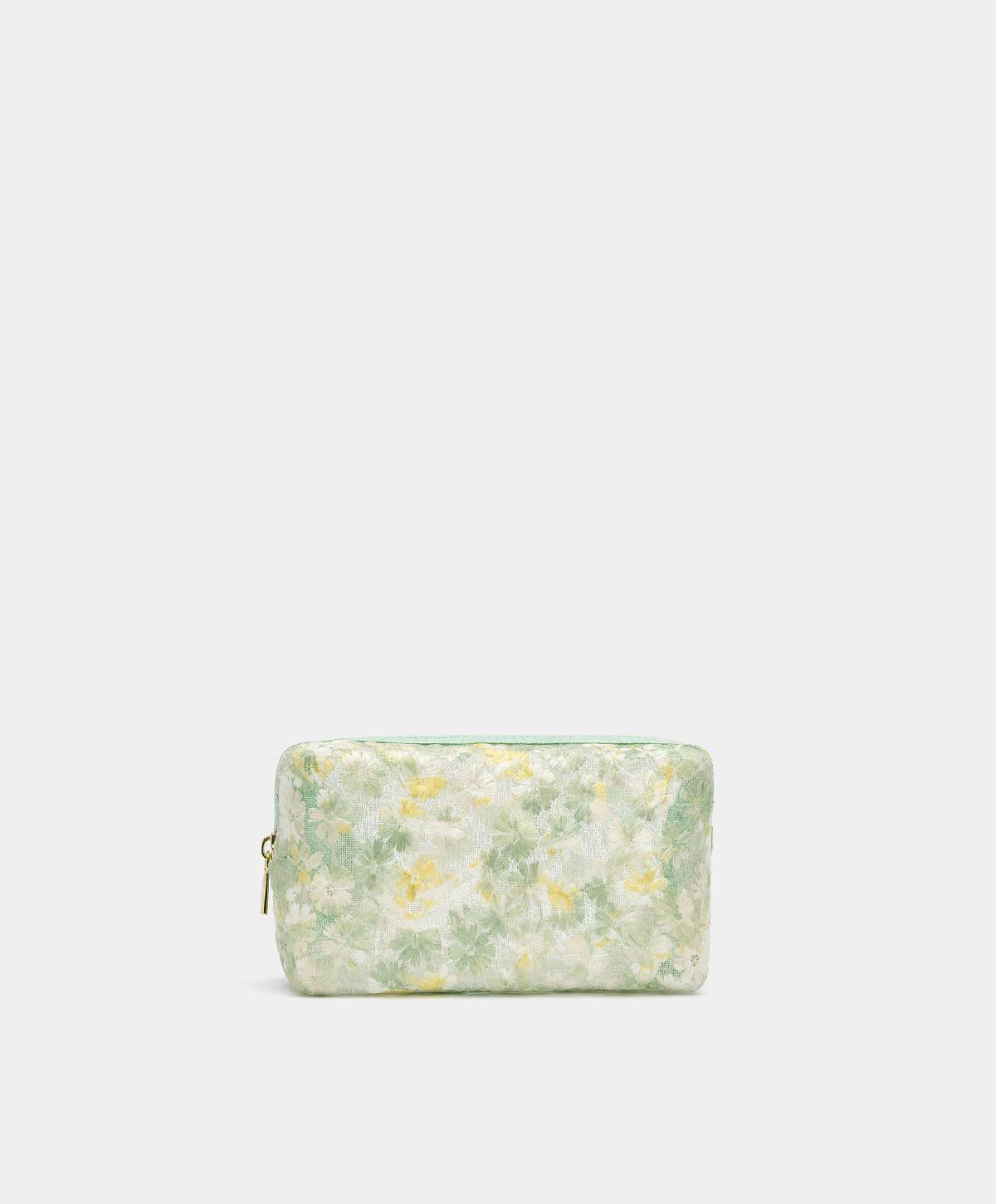
Soft floral cosmetic pouch with a rectangular silhouette, top zipper, and print-led surface suitable for seasonal collections.
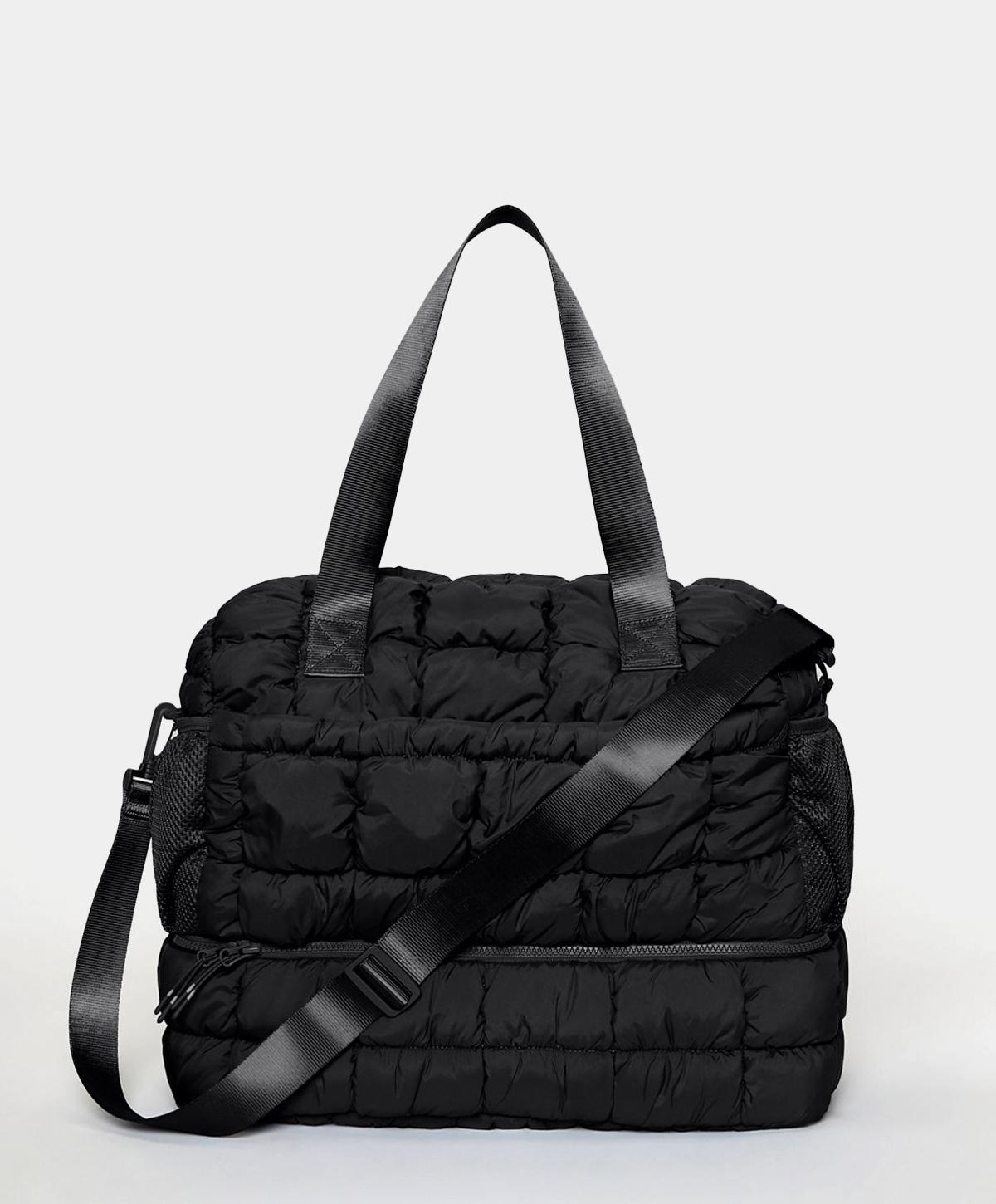
Padded quilted tote with dual carry handles, a detachable shoulder strap, exterior storage, and a separate lower compartment.
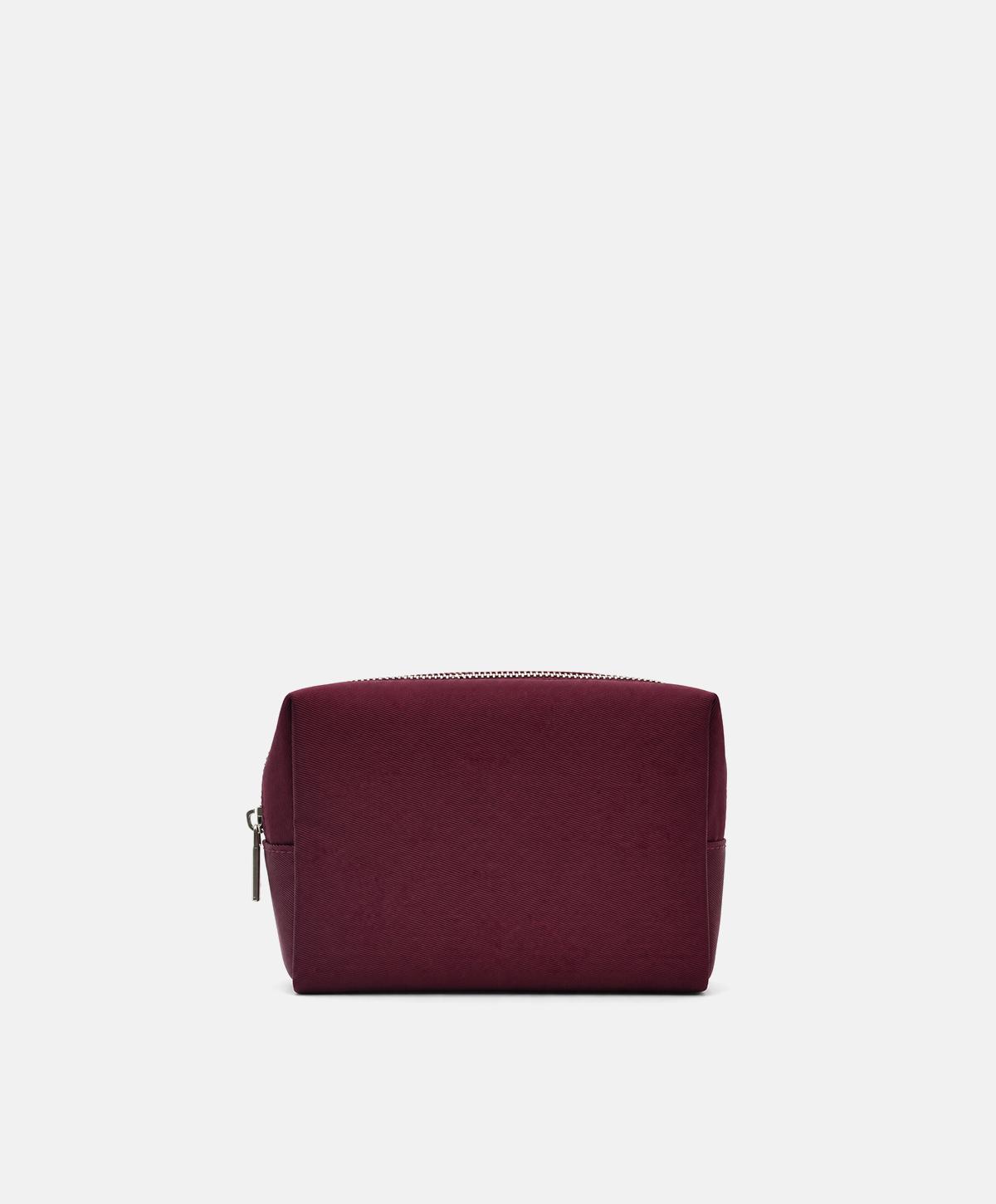
Clean rectangular cosmetic pouch with a wide zipper opening and compact profile for beauty, travel, or gift programs.
Customization Scope
PU, leather, nylon, RPET, canvas, eco nylon, or mixed-material construction.
Screen print, embroidery, debossing, woven label, metal plate, or rubber patch.
Custom lining, mesh pocket, elastic holder, divider, zipper pocket, or wipe-clean coating.
Hangtag, polybag, tissue wrap, gift box, carton marks, barcode label, and export carton.
Factory Evidence
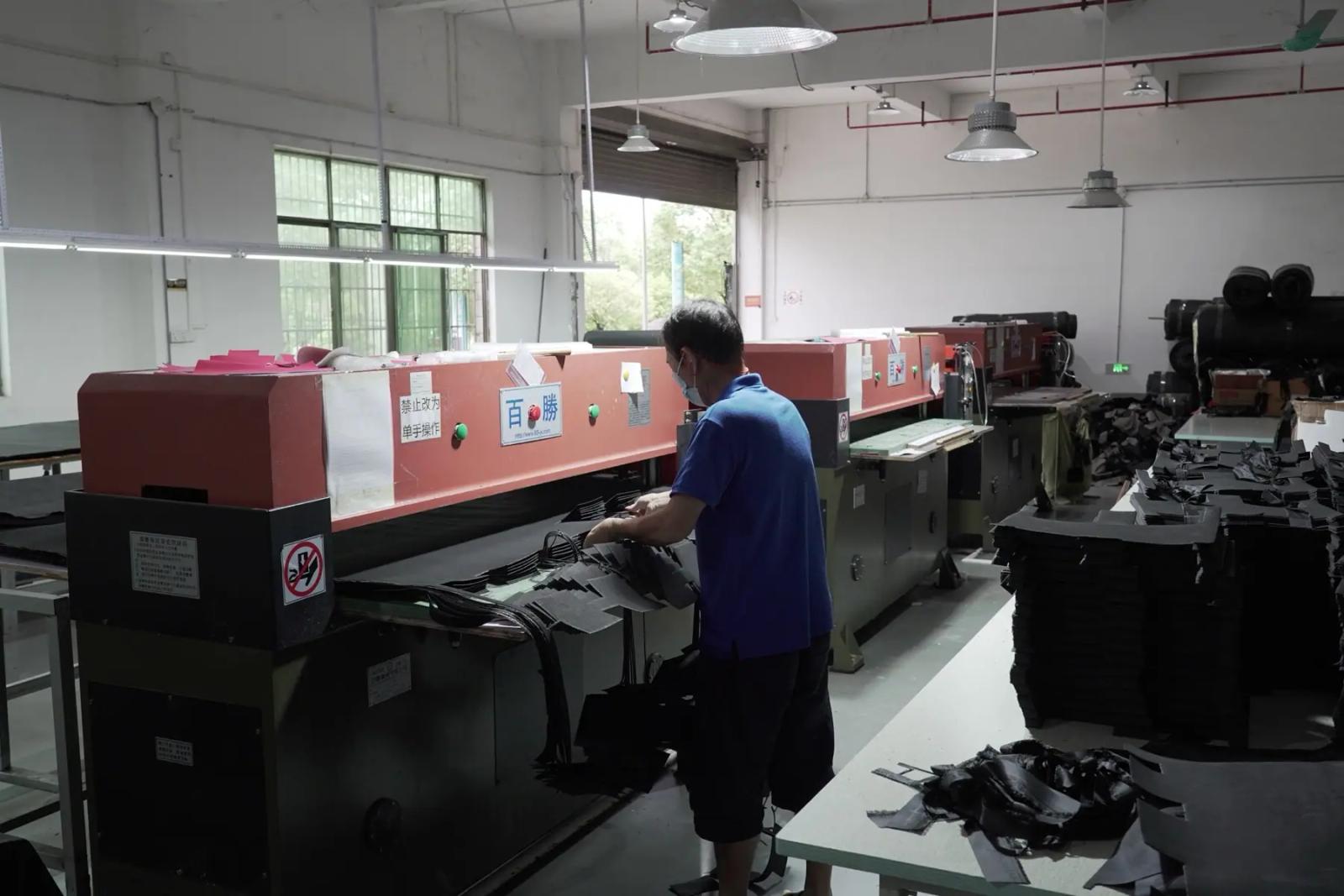
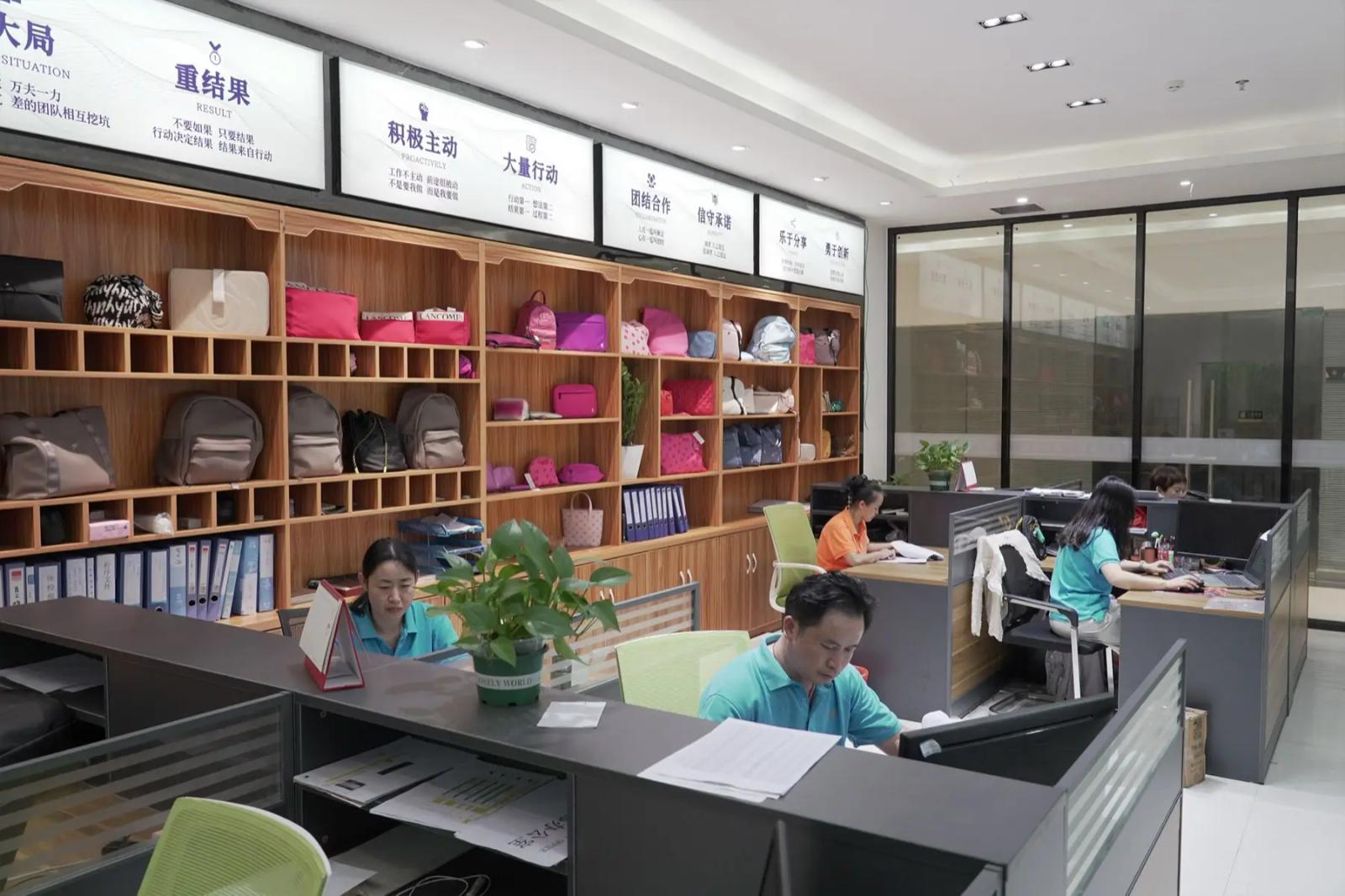
Panels and trims are prepared before sewing so sample comments can be carried into production.
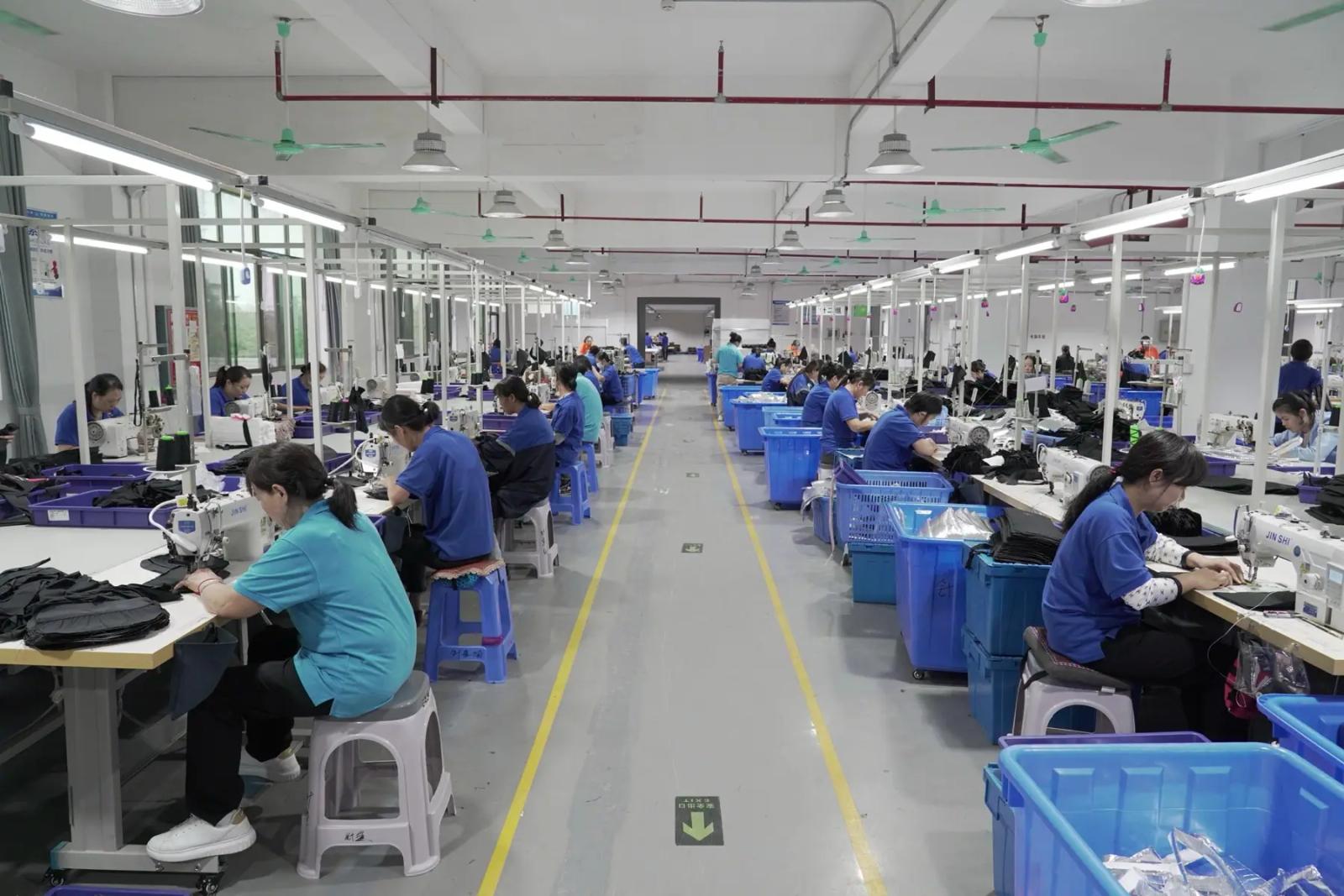
Operator stations, bins, and line flow help buyers understand repeat-order capacity.
Finished goods move through packing checks, labels, cartons, and shipment preparation.
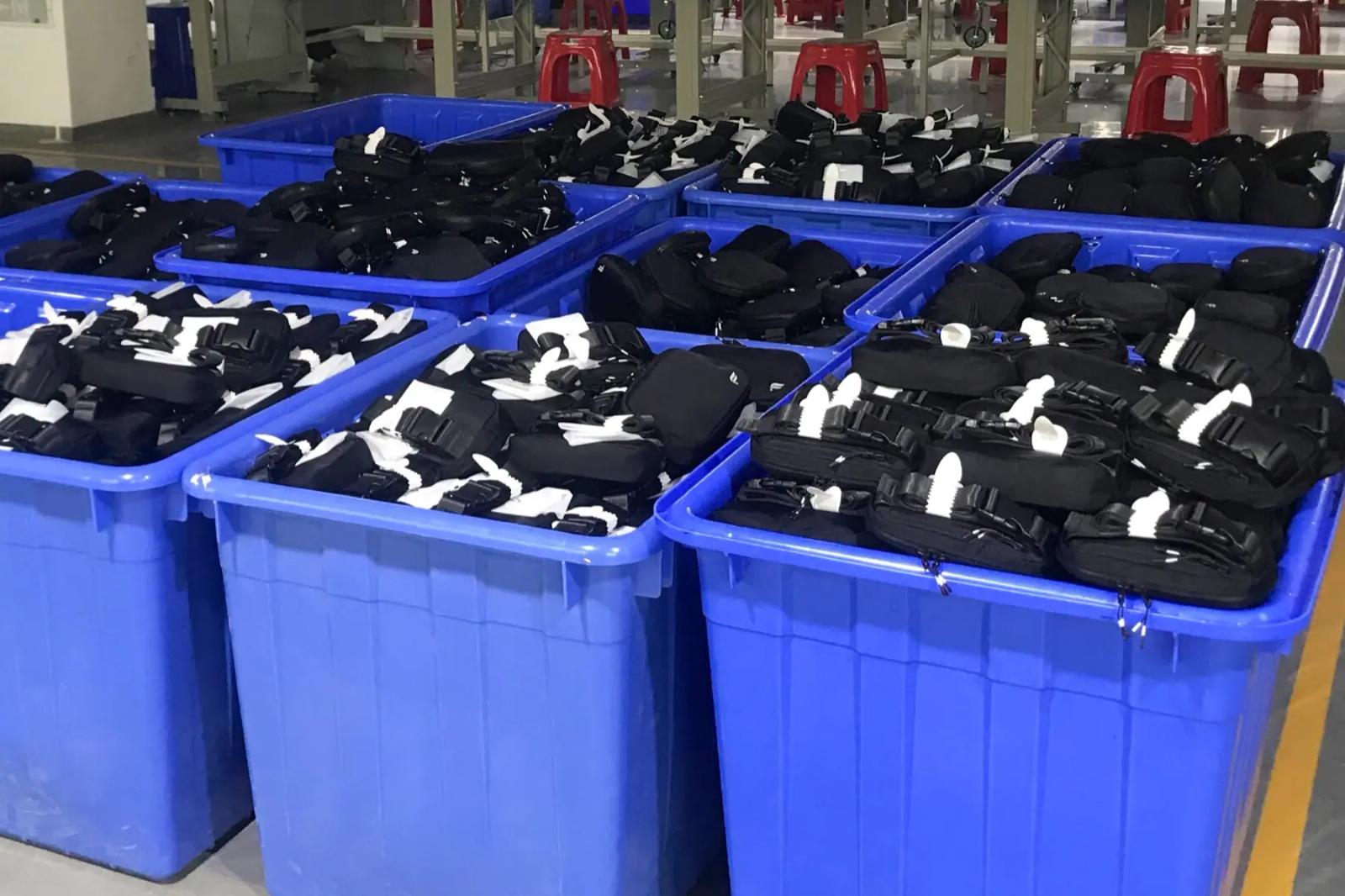
Finished bags are checked against approved references before cartons are closed for shipment.
Factory Footprint
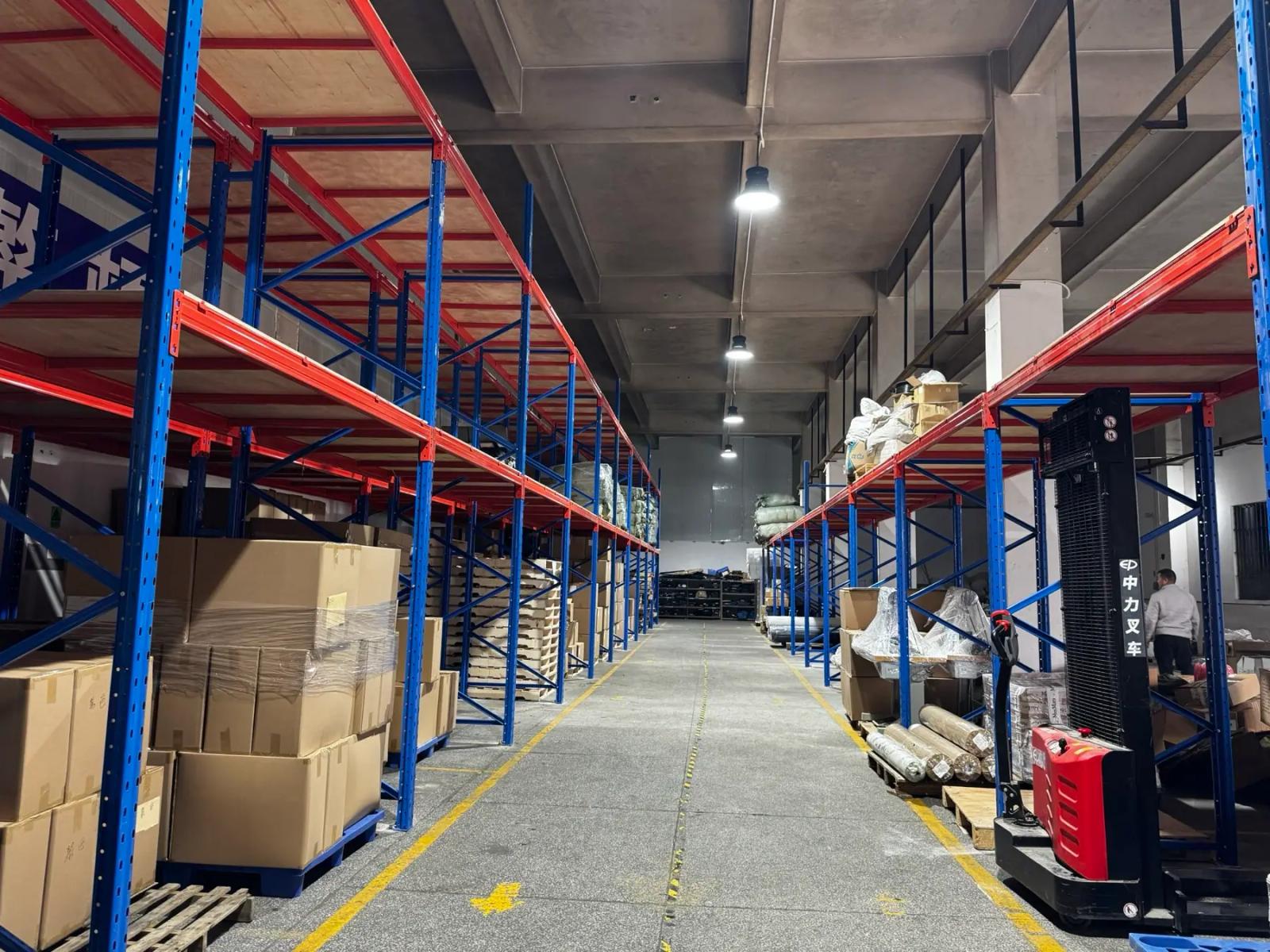
Owned Dongguan factory established in 2003 with about 9,000 square meters, 120 workers, 2 sewing lines, and metal, webbing, and bag production capability.
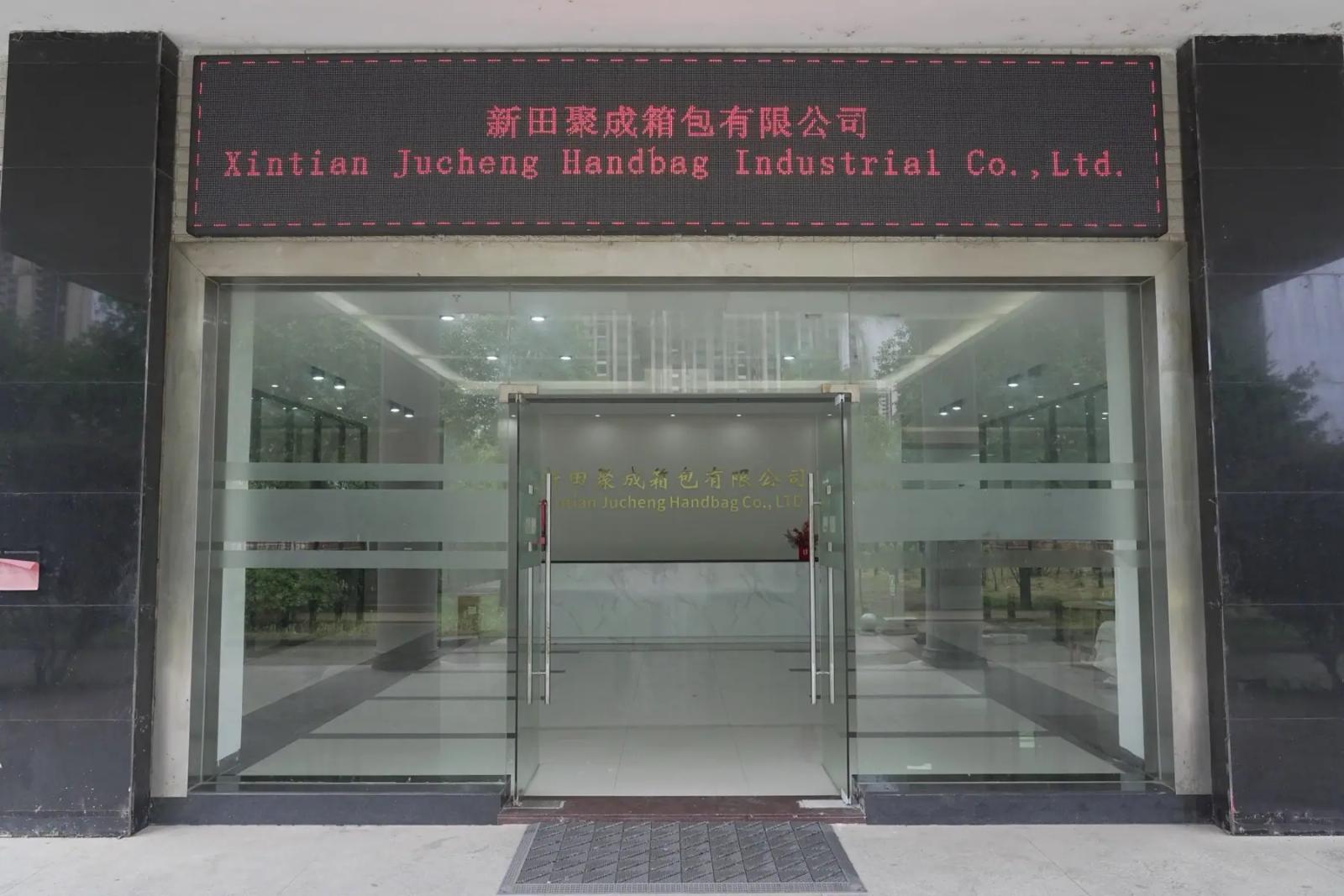
Owned Hunan bag factory with about 11,000 square meters, 280 workers, 6 sewing lines, and cutting, stamping, edge painting, glue, sewing, and packing departments.
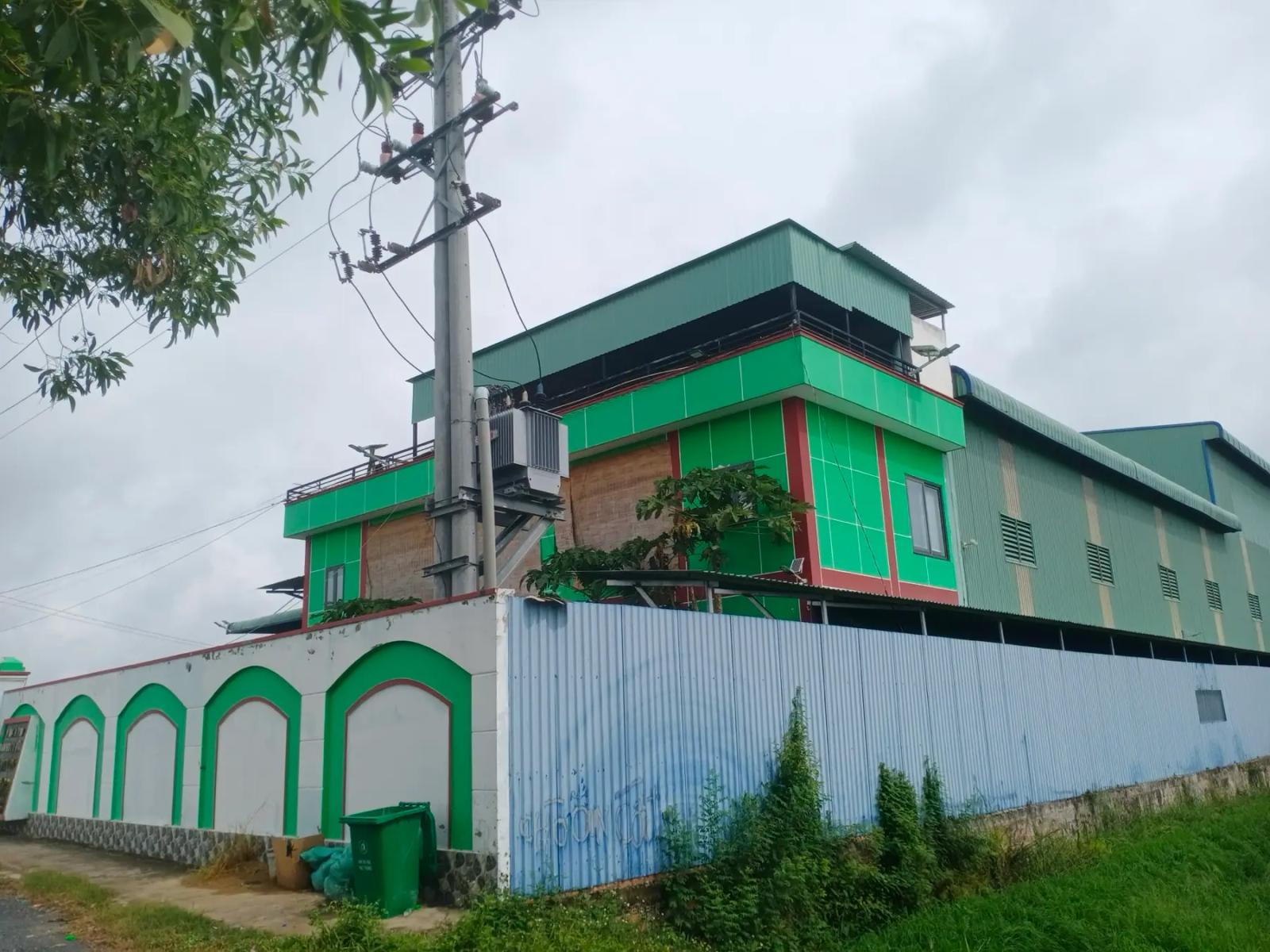
Owned Vietnam bag factory in Long An Province with 130 workers and 3 sewing lines for alternative origin planning and export programs.
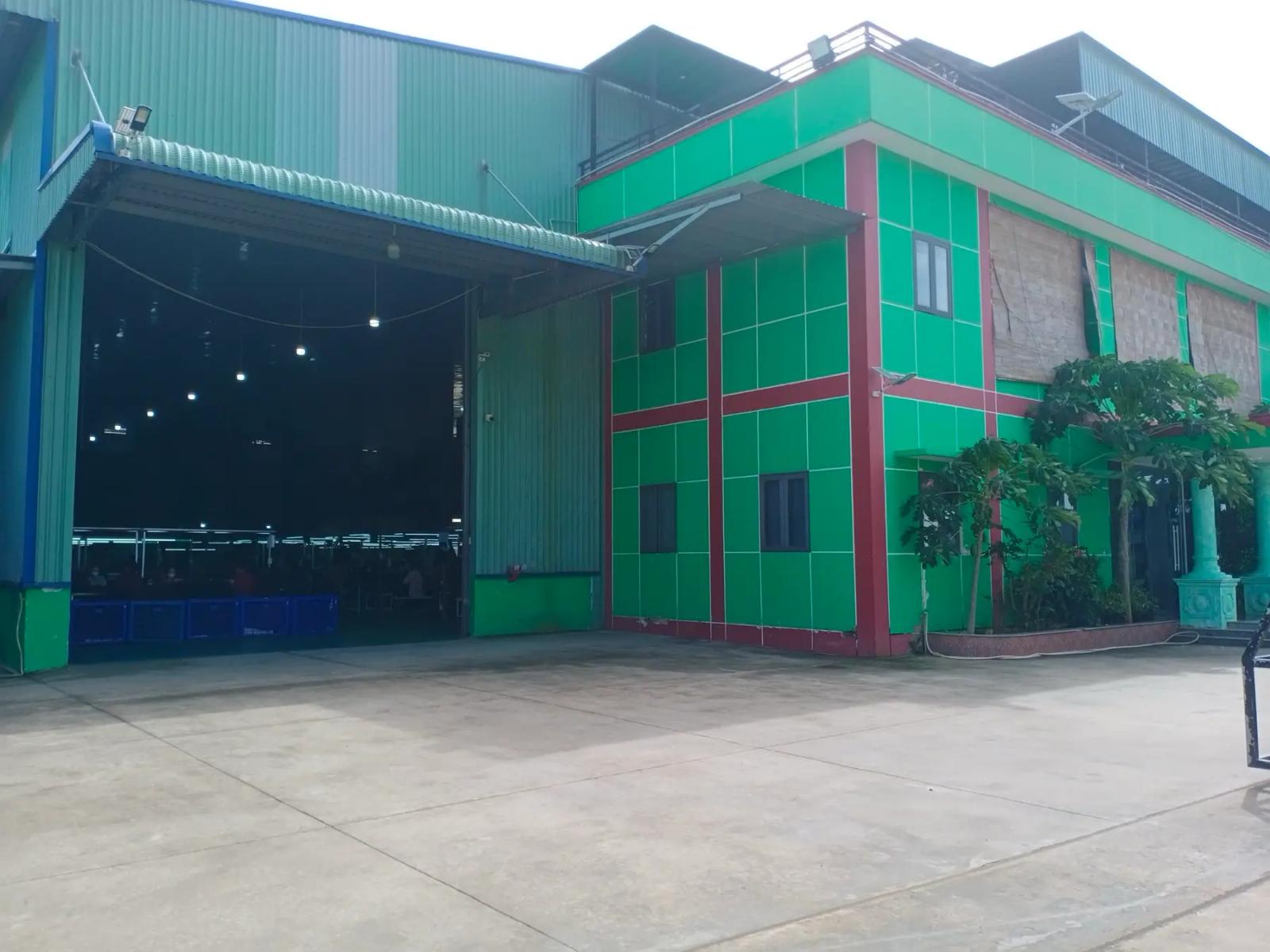
Owned Vietnam bag factory in Duc Hoa District with 120 workers, 4 sewing lines plus room for one additional line, adding capacity for diversified sourcing plans.
Buyer FAQ
Common options include screen print, embroidery, debossing, embossing, woven labels, metal plates, metal tags, rubber patches, and hangtags.
Yes. Metal logo tags, plates, and hardware can be reviewed as part of the sample process depending on quantity, finish, and placement.
Yes. Logo tooling, material, color, finish, quantity, and placement can affect sampling cost, unit price, and MOQ.
Plan Your Order
Review label materials and placement as part of the bag construction.
Discuss component dimensions, finishes, attachment, and development requirements.
Include artwork, material, logo size, placement, and quantity per design.
Request For Quotation
Include product reference, size, material direction, logo method, quantity, target price, packing needs, delivery market, and shipment timing so Kanrow can review the right production route.